Bin Store Near Me: How to Find the Right Wheelie Bin Storage for Your Home

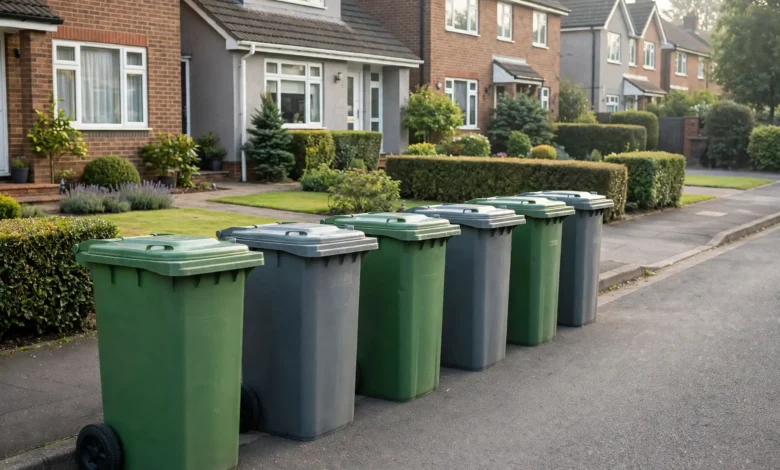
A bin store near me is an outdoor storage unit that keeps your wheelie bins tidy, secure and out of sight, and it is one of the simplest home improvements you can make. Most UK homes now have two or three large wheelie bins, for general waste, recycling and garden waste, and without somewhere to keep them they end up cluttering the front garden, blowing over in high winds, or attracting pests. A bin store solves all three problems at once, giving your bins a proper home that looks neat, keeps them upright in bad weather, and hides them from the street.

This guide explains what a bin store is, which types are available, how to choose the right size for your bins, where to find one near you, and what to check before you buy. It covers wooden, metal and plastic stores, the council rules that apply to bin storage, and the simple habits that keep a bin store clean and smell-free. Whether you have a small front garden or a large driveway, there is a bin store that fits, and by the end of this guide you will know exactly what to look for and where to find it.
What Is a Bin Store?
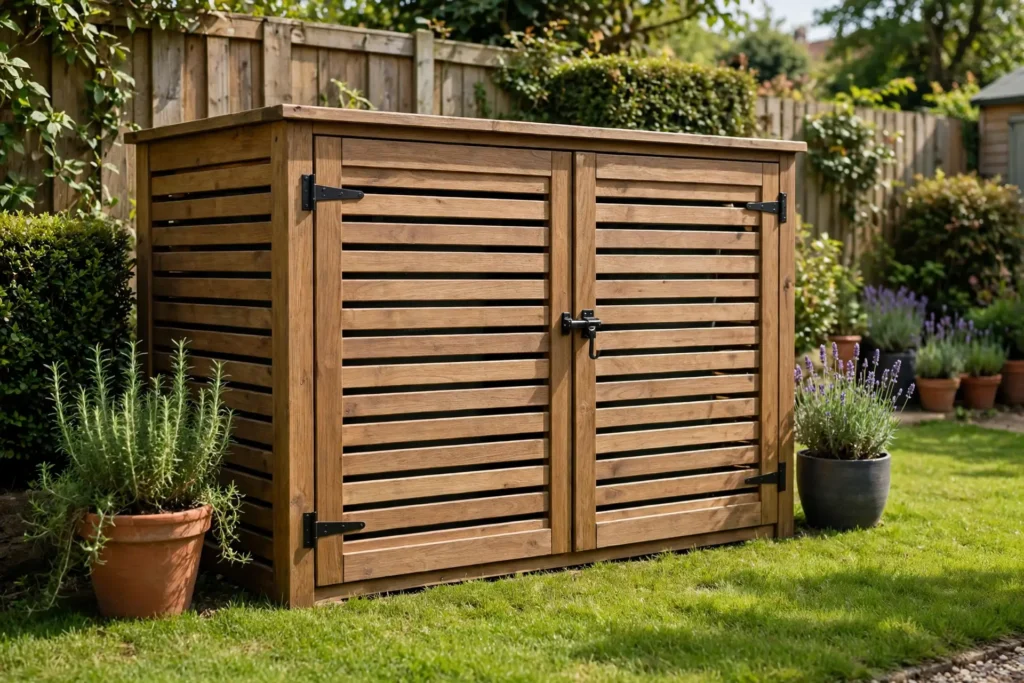
A bin store is an outdoor storage unit designed to hold wheelie bins, and it usually takes the form of a small shed or cabinet with doors that open for access and a lid or roof that keeps rain off the bins inside. Most bin stores are built to hold one, two or three standard wheelie bins, and they are placed in a front garden, beside a driveway, or against a house wall where the bins are easy to reach on collection day. The basic idea is simple: instead of leaving bins standing in the open, where they look untidy and can be blown over, you keep them inside a purpose-built structure that protects them and hides them from view.
Bin stores have become increasingly popular in the UK as councils have moved to larger wheelie bins and more separate collections, because the average household now needs somewhere to keep two or three bulky bins that cannot fit in a hallway or garage. A good bin store does more than tidy the garden, since it also stops bins from being blown into the road in high winds, deters animals from getting into rubbish, and makes it harder for bins to be stolen or moved. Some bin stores are lockable, which adds security, and many are designed to look like garden furniture rather than utility storage, so they improve the appearance of a property rather than detracting from it.
What Types of Bin Store Are Available?
The most common type of bin store is made from wood, usually pressure-treated softwood or hardwood, and wooden stores are popular because they look natural in a garden, can be painted or stained to match a fence or house, and are relatively easy to repair if a panel is damaged. A wooden bin store typically has slatted sides for ventilation, a hinged lid that lifts for access, and front doors that open so you can wheel bins in and out without lifting them. The main drawback of wood is maintenance, because it needs occasional treatment to resist rot and weather, and a cheap wooden store made from thin timber may not last as long as a better-built one.
Metal bin stores are the sturdier alternative, usually made from galvanised steel, and they are chosen by buyers who want security and durability rather than a natural look. A metal store is harder to break into, resists fire and pests, and needs almost no maintenance, but it can look industrial in a front garden and may rust over time if the coating is damaged. Plastic bin stores are the third option, made from moulded resin or recycled plastic, and they are lightweight, weatherproof and maintenance-free, although they can look less substantial than wood or metal and may fade in strong sunlight. The right choice depends on your priorities: wood for appearance, metal for security, and plastic for low maintenance.
What Size Bin Store Do You Need?
Choosing the right size bin store starts with measuring your bins, because wheelie bins come in standard sizes and a store that is too small is useless. The most common household wheelie bins hold 120 litres, 180 litres or 240 litres, and a 240-litre bin is roughly a metre tall and about 60 centimetres wide, so a store designed for two 240-litre bins needs to be at least 1.3 metres wide internally, with enough depth for the bins to sit side by side and enough height for the lids to open. Count all of your bins before you shop, including general waste, recycling, garden waste and food waste caddies, because a store that holds two bins is no use if you have three.
Beyond the bins themselves, think about access, because a bin store that is hard to open or hard to wheel bins out of will not be used properly, and the bins will end up back outside it. Look for a store with a lid that lifts fully, doors that open wide enough for the widest bin, and a floor or base that sits level so bins roll in and out easily. Leave a little extra space around the bins for airflow, because a tightly packed store traps smells and moisture, and check the overall footprint against the space you have available, remembering that you need room to stand in front of the store and open it fully on collection day.
Where Can You Find a Bin Store Near You?
The easiest place to find a bin store near you is a garden centre, because most large garden centres stock a range of wooden and plastic bin stores and let you see the build quality before you buy. Garden centres usually carry several sizes, from single-bin stores to triple units, and their staff can advise on which size fits your bins and how to assemble the unit once it is delivered. DIY stores are another good option, with national chains stocking metal and plastic bin stores alongside their garden storage ranges, and many of them offer home delivery and assembly services for larger units.
Online retailers offer the widest choice, with specialist garden storage websites listing dozens of bin stores in different materials, sizes and finishes, often with customer reviews that help you judge quality before you order. Buying online means you cannot inspect the store before it arrives, so check the dimensions carefully, read the reviews, and confirm the returns policy in case the unit does not fit your bins. Local carpenters and fencing contractors can also build a bespoke bin store to your exact measurements, which is the best option if your space is awkward or you want a store that matches your existing fencing, and a custom-built store often lasts longer than a flat-pack one because it is made from better timber.
What Should You Check Before You Buy a Bin Store?
Before you buy a bin store, check the build quality first, because the difference between a good store and a bad one is usually obvious once you know what to look for. Look at the thickness of the timber or the gauge of the metal, check that the hinges and handles are sturdy rather than flimsy, and make sure the roof is properly waterproofed so rain does not drip onto your bins. A well-built store should feel solid when you open and close it, with doors that align properly and a lid that stays open while you load bins, while a poorly built one will feel wobbly and may not survive its first winter.
Check the dimensions against your actual bins rather than trusting the product description alone, because some manufacturers quote external measurements while others quote internal ones, and the difference can mean your bins do not fit. Measure the height, width and depth of each bin, including the lid when open, and compare those figures with the internal dimensions of the store, leaving a few centimetres of clearance on every side. Also check whether the store needs assembly, whether fixings and instructions are included, and whether the base is supplied or must be bought separately, because a store without a level base will sit unevenly and its doors may not close properly.
Do You Need Planning Permission for a Bin Store?
In most cases you do not need planning permission for a bin store, because it is classed as a small garden structure rather than a building, and it falls within the permitted development rights that cover most householders in the UK. That general rule has exceptions, however, and the most important one concerns listed buildings and conservation areas, where additional controls may apply and you should check with your local council before you build anything in your front garden. If your property is in a conservation area, or if the bin store would be unusually large or prominent, a quick check with the council’s planning department will confirm whether permission is needed.
Even where planning permission is not required, your local council may have rules about where bins can be stored and where they must be placed for collection, and those rules are worth checking before you choose a location for your store. Some councils ask residents to keep bins off the pavement except on collection day, while others have specific guidance on bin storage in front gardens, and the GOV.UK service for finding your local council is the quickest way to reach the right department for your area. A bin store placed against a house wall or at the side of a driveway is usually acceptable everywhere, but a large store built right on the pavement boundary may attract attention, so check first and build once.
How to Keep Your Bin Store Tidy and Secure
Keeping a bin store tidy starts with the simple habit of returning bins to it after every collection, because a store only works if it is used consistently, and bins left outside it quickly become the norm rather than the exception. Rinse bins occasionally with a hose and a little disinfectant, especially in summer when smells build up quickly, and leave the store doors open for an hour after washing so the interior dries out and does not trap damp. A layer of gravel or paving slabs under the store keeps the base dry and makes it easier to wheel bins in and out, while a small gap between the store and the house wall allows air to circulate and prevents mould.
Security is the other half of keeping a bin store useful, because bins left in the open can be stolen, moved or used to climb over fences, and a lockable store removes that risk. If your store has a hasp for a padlock, use it, particularly if you live in an area where bin theft or fly-tipping is a problem, and consider fixing the store to the ground or to a wall so it cannot be lifted or blown away. Keep the area around the store clear of rubbish and overgrown plants, because a tidy store is easier to use and less likely to attract pests, and check the hinges and roof once a year, treating any timber that looks weathered before small problems become expensive repairs.
Conclusion
A bin store near me is a simple, practical purchase that turns a cluttered front garden into a tidy one, and the right choice depends on measuring your bins, choosing a material that suits your garden, and buying from a supplier you can trust. Wooden stores look the most natural and can be painted to match your home, metal stores offer the best security and durability, and plastic stores need the least maintenance, while the size you need depends entirely on how many bins you have and how big they are. Garden centres and DIY stores let you inspect a store before you buy, online retailers offer the widest choice, and a local carpenter can build a bespoke store for an awkward space.
Your next step is to count your bins, measure the largest one, and check the space where the store will go, including room to open the doors fully on collection day. If you live in a conservation area or a listed building, check with your local council first, because planning rules can apply, and the GOV.UK service for finding your local council will point you to the right department. Buy a store that is well built rather than merely cheap, keep it clean and locked, and your wheelie bins will stay tidy, secure and out of sight for years to come.
What Is a Bin Store?
A bin store is an outdoor storage unit designed to hold wheelie bins, usually built as a small shed or cabinet with doors and a lid or roof. Most bin stores hold one, two or three standard wheelie bins and are placed in a front garden, beside a driveway or against a house wall. A bin store keeps bins tidy, stops them blowing over in high winds, deters animals from getting into rubbish, and hides the bins from the street. Some bin stores are lockable for extra security, and many are designed to look like garden furniture.
How Big Should a Bin Store Be?
How big a bin store should be depends on how many bins you have and how large they are. The most common household wheelie bins hold 120, 180 or 240 litres, and a 240-litre bin is roughly a metre tall and about 60 centimetres wide. A store for two 240-litre bins needs to be at least 1.3 metres wide inside, with enough depth for the bins to sit side by side and enough height for the lids to open. Always measure your actual bins before buying, leave a few centimetres of clearance on every side for airflow, and make sure you have room to open the doors fully.
Where Can I Buy a Bin Store Near Me?
You can buy a bin store near you from garden centres, DIY stores, online retailers and local carpenters. Garden centres usually stock wooden and plastic bin stores and let you inspect the build quality before you buy, while DIY stores carry metal and plastic models and often offer delivery. Online retailers offer the widest choice, with customer reviews to help you judge quality, but check dimensions and returns policies carefully. A local carpenter or fencing contractor can build a bespoke bin store to your exact measurements if your space is awkward.
Do I Need Planning Permission for a Bin Store?
In most cases you do not need planning permission for a bin store in the UK, because it is classed as a small garden structure covered by permitted development rights. Exceptions apply to listed buildings and conservation areas, where additional controls may apply, so check with your local council before building if your property falls into either category. Your council may also have rules about where bins can be stored and where they must be placed for collection, and the GOV.UK service for finding your local council is the quickest way to reach the right department.
How Do I Stop My Bin Store Smelling?
To stop a bin store smelling, rinse your bins regularly with a hose and a little disinfectant, especially in summer, and leave the store doors open for an hour afterwards so the interior dries out. Choose a store with slatted sides or ventilation gaps so air can circulate, and avoid packing bins in so tightly that air cannot move around them. A layer of gravel or paving slabs under the store keeps the base dry, and keeping the area around the store clear of rubbish and overgrown plants helps prevent pests and smells from building up.