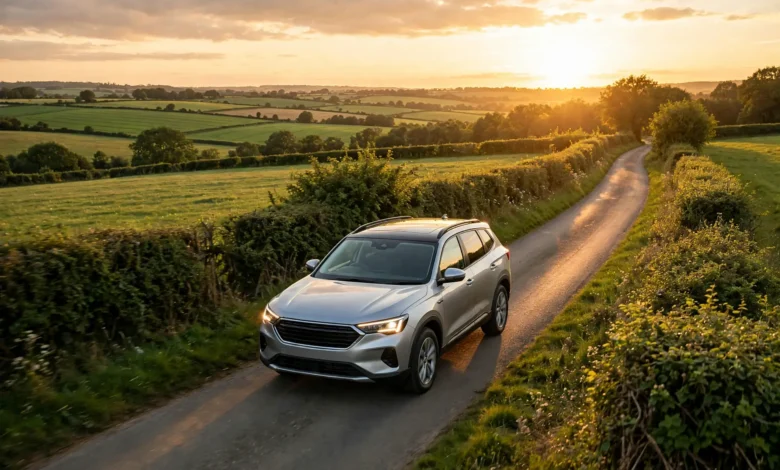
Used Subarus near me are second-hand cars from Japan’s most distinctive mainstream manufacturer, and they attract a loyal following for good reason. Every Subaru sold in the UK in recent years has come with symmetrical all-wheel drive as standard, a flat Boxer engine, and a reputation for durability that owners swear by, which makes a used Subaru one of the most capable and dependable second-hand cars you can buy. Whether you need a family estate, a rugged SUV or a practical hatchback, the used Subaru market has something that fits, and this guide explains which models to buy, where to find them near you, what to check before you pay, and how to avoid the common problems that catch out careless buyers.
Buying any used car carries risk, but Subarus reward careful buyers more than most, because the cars are well engineered, the model range is small enough to learn quickly, and the differences between a good example and a bad one are usually visible to anyone who knows what to look for. This guide covers the Outback, Forester, Impreza and XV, explains how to value a car fairly, and walks through the checks that matter most, from the famous head gasket issue on older engines to the condition of the all-wheel-drive system. By the end, you will know exactly how to find a used Subaru near you that is worth your money.
Why Buy a Used Subaru?
People buy used Subarus for one reason above all others, which is that no other mainstream manufacturer offers the same combination of standard all-wheel drive, rugged build quality and long-term durability at the same price. Subaru’s symmetrical all-wheel-drive system sends power to all four wheels all of the time, rather than reacting after a wheel slips, and that gives a used Subaru a level of grip and stability in rain, snow and mud that front-wheel-drive rivals cannot match. For drivers in rural areas, or for anyone who regularly drives on poor roads or in bad weather, that capability is not a luxury but a genuine everyday benefit.
The second reason is longevity, because Subarus have a well-earned reputation for lasting a long time when they are looked after, and many owners report keeping their cars for well over a decade and covering very high mileages. That reputation is built on solid engineering rather than marketing, from the low centre of gravity of the Boxer engine to the strength of the bodyshell, and it means a used Subaru with a full service history is often a better buy than a newer car from a less durable brand. Add in generous standard equipment, including the EyeSight driver assistance system on recent models, and a used Subaru offers a great deal of car for the money, which is exactly why the second-hand market for them stays strong.
Which Used Subaru Should You Buy?
The best used Subaru for you depends on how you will use it, because the range is small but each model has a clear job, and choosing the wrong one is the most common mistake buyers make. The Outback is the flagship estate, a large, comfortable and very capable car that suits families who need space and tow regularly, while the Forester is the mid-size SUV, taller and more practical for loading, with excellent visibility and a roomy cabin. The Impreza is the hatchback, smaller and more economical, and a good choice for buyers who want Subaru’s all-wheel drive without the size and fuel consumption of an SUV.
The XV, known as the Crosstrek in some markets, sits between the Impreza and the Forester, offering SUV styling and raised ground clearance in a compact package that is easy to park and cheap to run. Older models such as the Legacy estate are also worth considering if your budget is tight, because they offer the same core Subaru strengths at a lower price, although they lack the latest safety technology. As a general rule, buy the newest car your budget allows, favour petrol models for low annual mileage and diesel models only if you cover long distances regularly, and always choose a car with a full service history over a cheaper example without one.
Where Can You Find Used Subarus Near You?
The best place to start looking for used Subarus near you is Subaru’s own approved used programme, because main dealers sell checked and prepared cars with a warranty, a history check and a proper inspection, which removes much of the risk from buying second-hand. An approved used Subaru costs more than the same car from a private seller, but the extra cost buys peace of mind, and for buyers who are not confident judging a car themselves, that peace of mind is worth paying for. Subaru UK lists its approved used stock online, and you can search by model, price and distance to find the nearest dealer with the car you want.
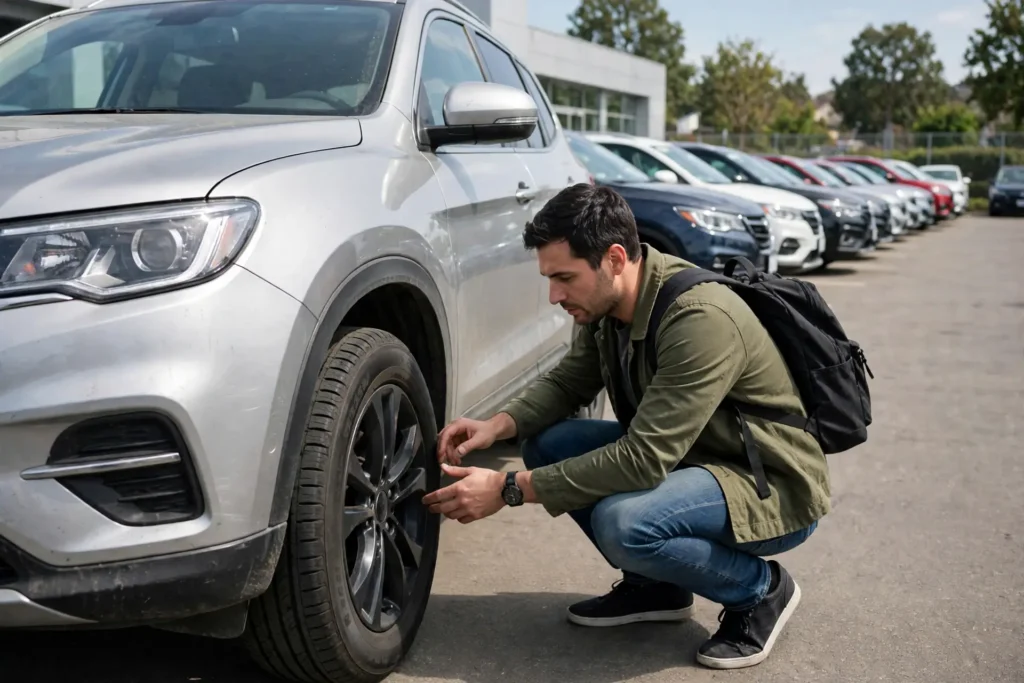
Online marketplaces are the second place to look, because they list cars from dealers and private sellers across the whole country, and they let you filter by price, mileage, age and location so you can compare the market before you travel. Independent used car dealers often have good Subarus too, especially specialists who know the brand, but the quality of independent dealers varies widely, so check reviews and ask about warranties before you commit. Private sellers can offer the lowest prices, but they provide no warranty and no comeback, so a private purchase should always include an independent inspection by a mechanic you trust, and you should never pay in full before you have seen the car and its paperwork.
How Much Should You Pay for a Used Subaru?
How much you should pay for a used Subaru depends on the model, the year, the mileage, the condition and the trim level, and there is no single price that covers every car, so the honest answer is that you need to value each car individually. Start by checking independent valuation guides for the exact model, year and trim you are considering, and compare that figure with the asking prices of similar cars for sale near you, because the gap between a guide price and a dealer’s asking price tells you how much room there is to negotiate. A car priced far above the guide range needs a clear reason, such as unusually low mileage or a rare specification, while a car priced far below it is usually cheap for a reason that will become expensive later.
Condition matters more than age or mileage alone, because a well-maintained Subaru with a full service history can comfortably pass two hundred thousand miles, while a neglected one with half that mileage can be a source of endless repair bills. Pay particular attention to the service history, because Subarus need regular oil changes and timing belt replacements at the intervals the manufacturer specifies, and a car with gaps in its history is a gamble no matter how good it looks. As a practical guide, a car with around ten to twelve thousand miles per year of its age is average, and anything far above that deserves a closer look at how those miles were covered and whether the maintenance kept pace.
What to Check Before You Buy a Used Subaru
Before you buy a used Subaru, check the service history first, because it tells you more about the car than any visual inspection can, and a full dealer or specialist history is worth more than a low price. Look for regular oil changes, timing belt replacements at the correct intervals, and evidence that the all-wheel-drive system has been maintained, and be wary of any car whose history has gaps or whose owner cannot produce receipts for major work. The government’s free MOT history check is also invaluable, because it shows every past MOT test, including failures, advisories and recorded mileages, and it can reveal accident damage, mileage inconsistencies and recurring problems that a seller might not mention.
The physical inspection matters just as much, and a used Subaru has a few specific things to check that other cars do not. Test the all-wheel-drive system on a tight turn at low speed, listening for binding or juddering that could indicate a worn centre differential, and check that all four tyres are the same brand, size and tread depth, because mismatched tyres can damage the all-wheel-drive system over time. Look underneath for oil leaks around the engine, check that the engine idles smoothly when cold, and take the car on a proper test drive that includes motorway speeds, tight turns and a hill start. If you are unsure about any of this, pay for an independent inspection, because the cost of an inspection is small compared with the cost of buying a car with a serious fault.
Common Used Subaru Problems to Watch For
The most famous used Subaru problem is the head gasket issue on older EJ25 engines, and it is the fault every buyer should know about before they start looking. On engines built before the mid-2010s, the head gasket could fail and allow oil or coolant to leak, and the repair is expensive because it involves removing the engine, so check carefully for oil leaks around the cylinder heads, coolant loss, and any sign of overheating on the cars you inspect. Later FB-series engines are much less prone to this problem, which is one reason to favour a newer car if your budget allows, but even an older car with a documented head gasket repair can be a good buy, because the repaired part is often stronger than the original.
Other common issues are less dramatic but still worth checking, including worn suspension bushes, noisy wheel bearings, and problems with the Lineartronic continuously variable transmission on some models, which can feel jerky or hesitant if it has not been serviced properly. Check that the CVT fluid has been changed at the recommended intervals, listen for whining or slipping during the test drive, and be cautious of any car whose transmission feels rough. Electrical niggles such as faulty sensors and worn batteries are common on older cars of every make, and they are usually cheap to fix, but they should still be noted during your inspection so you can negotiate the price accordingly.
Used Subaru vs Other Used SUVs
A used Subaru competes with a crowded field of used SUVs, and the honest comparison is that it wins on capability and durability while losing on fuel economy and interior flashiness. Against rivals such as the Toyota RAV4, Honda CR-V and Mazda CX-5, a used Subaru offers standard all-wheel drive where competitors often charge extra for it or fit it only to top trims, and its symmetrical system is more sophisticated than the reactive systems used by most rivals. That makes a Subaru the better choice for drivers who genuinely need all-wheel drive, whether for rural roads, towing or winter weather, and the difference is noticeable from the first drive.
Where rivals fight back is on running costs and cabin quality, because a used Subaru is rarely the most economical car in its class, and its interiors, while durable, are less plush than those of some competitors. A used Lexus RX, for example, offers a more luxurious cabin and a strong hybrid option, and our guide to whether a used Lexus RX 350 is worth your investment explores that alternative in detail for buyers torn between the two. The fairest conclusion is that a Subaru is the better tool for drivers who value capability and longevity above all else, while a Lexus or a Toyota may suit buyers who prioritise comfort and fuel economy, and the right choice depends on how you will actually use the car.
Conclusion
Finding the right used Subaru near you comes down to a simple sequence: choose the model that fits how you drive, set a realistic budget using independent valuations, search approved dealers and online marketplaces, and inspect carefully before you commit. The Outback suits families who need space and towing ability, the Forester is the practical mid-size SUV, the Impreza and XV cover buyers who want all-wheel drive in a smaller package, and every one of them rewards a buyer who checks the service history, the MOT record and the all-wheel-drive system before paying. The famous head gasket issue on older engines is the one fault to know about, and a documented repair or a newer FB-series engine removes most of the risk.
Your next step is to shortlist one or two models, check the approved used stock at your nearest Subaru dealer, and run a valuation and an MOT history check on every car you seriously consider before talking price. If you are still weighing a Subaru against a more luxurious alternative, take a look at our guide to whether a used Lexus RX 350 is worth your investment and compare the two with your family and your budget in mind. Take your time, trust the paperwork, and the right used Subaru will give you years of dependable, capable motoring.
What Is the Best Used Subaru to Buy?
The best used Subaru to buy depends on how you will use it, but for most buyers the Forester is the safest all-round choice, because it combines a roomy practical cabin, excellent visibility, standard all-wheel drive and strong reliability in a mid-size SUV package. The Outback is better for families who need more space and tow regularly, while the Impreza and XV suit buyers who want Subaru’s all-wheel drive in a smaller and more economical car. As a general rule, buy the newest car your budget allows, favour a full service history over a lower price, and choose a later FB-series engine over an older EJ25 if you can.
Are Used Subarus Reliable?
Yes, used Subarus are generally reliable, and they have a well-earned reputation for lasting a long time when they are properly maintained. Many owners keep their Subarus for well over a decade and cover very high mileages, and the cars are built around durable engineering, including the Boxer engine and symmetrical all-wheel drive. The main exception is the head gasket issue on older EJ25 engines built before the mid-2010s, which can be expensive to repair, so check for oil leaks and coolant loss, or favour a newer FB-series engine. A full service history is the best single indicator of a reliable used Subaru.
How Many Miles Is Too Many for a Used Subaru?
There is no single mileage figure that makes a used Subaru too old to buy, because condition and service history matter far more than the number on the odometer. A well-maintained Subaru with a full dealer service history can comfortably pass two hundred thousand miles, while a neglected car with half that mileage can be a source of endless repair bills. As a practical guide, around ten to twelve thousand miles per year of the car’s age is average. Always check the MOT history for recorded mileages and past failures, and budget for an independent inspection on any car over sixty thousand miles.
Where Is the Best Place to Buy a Used Subaru?
The best place to buy a used Subaru is usually a Subaru main dealer’s approved used programme, because the cars are inspected, prepared and sold with a warranty and a history check, which removes much of the risk. Approved used cars cost more than the same car from a private seller, but the extra cost buys peace of mind, especially for buyers who are not confident judging a car themselves. Online marketplaces are useful for comparing prices across dealers and private sellers, while independent specialists can offer good cars if you check their reviews and warranty terms first.
Do Used Subarus Hold Their Value?
Used Subarus generally hold their value well compared with other mainstream cars, because demand for their standard all-wheel drive and reputation for durability stays strong in the second-hand market. Subarus are a relatively small-volume brand in the UK, which means supply is limited, and that scarcity supports prices, particularly for popular models such as the Forester and Outback in good condition with a full service history. A car with gaps in its history, high mileage for its age or outstanding faults will still depreciate faster, so condition remains the biggest influence on resale value.