
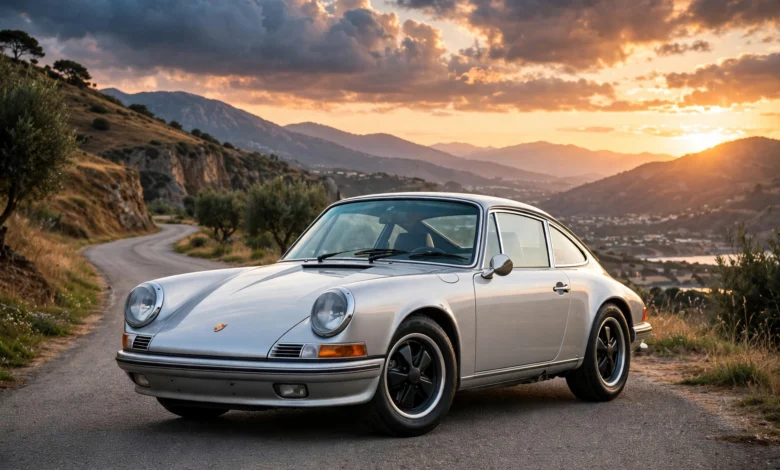
If you are searching for a Porsche 911 for sale, the short answer is that the right car is the one with a full service history, a clean pre-purchase inspection and a specification you actually want, rather than simply the cheapest example in your budget. The 911 has been in continuous production since 1963 and spans many generations, so prices range enormously, and the difference between a well-kept car and a neglected one is often tens of thousands of pounds in future repair bills. This guide explains the key generations, what prices look like as of November 2026, the checks that matter most, and how to buy safely, whether you are chasing a modern 992 or a classic air-cooled dream.
What Should You Know Before Looking at a Porsche 911 for Sale?
Before you start browsing any Porsche 911 for sale listing, it helps to decide what kind of 911 you actually want, because the range covers everything from a daily-driver Carrera to a track-focused GT3 and a luxury Turbo, and each one suits a different kind of owner. A Carrera is the classic all-rounder, a Turbo adds serious performance and all-wheel drive, and a GT model trades comfort for track ability, so your budget, your mileage and how you plan to use the car should shape the search from the very start. It is also worth deciding early whether you want a manual or an automatic PDK gearbox, a coupe, a cabriolet or a Targa, and whether a warranty matters to you, since these choices narrow the market dramatically.
The second thing to understand is that a 911 is a precision sports car, and its running costs are very different from those of an ordinary family car. Servicing at a Porsche specialist, tyres, brakes and insurance all cost more, and an older car can present large bills if major components have been neglected, so buyers should budget for ownership, not just the purchase price. That said, a well-maintained 911 is famously usable every day, and the model’s strong residuals mean that buying carefully can protect your money better than buying almost any other sports car. The key is to buy on condition and history rather than on price alone, because the cheapest 911 on the market is very often the most expensive one to own.
Porsche 911 Generations Explained: 997, 991 and 992
The 997 generation, built from 2004 to 2012, is the car many enthusiasts consider the sweet spot, because it kept the classic 911 size and feel while adding modern reliability and a much-improved interior over its predecessor. Early 997 Carrera models used the M96 and M97 engines, and buyers of these cars should be aware of the well-documented IMS bearing and rear main seal, or RMS, issues that affected some cars, which is why a pre-purchase inspection and evidence of any remedial work matter so much on this generation. Later 997.2 cars, built from 2009, used a revised direct-injection engine without the IMS bearing concern, and they remain highly sought after today for their combination of analogue feel and everyday usability.
The 991 generation, built from 2011 to 2019, is larger, more refined and more technologically advanced, with electric power steering, a longer wheelbase and a much more modern cabin, and it is the generation that most buyers choose when they want a fast, comfortable car that can still be used daily. The 991.2 cars from 2015 onwards moved the Carrera range to turbocharged engines, which brought more torque and better fuel economy, while the GT3 kept its naturally aspirated engine and became a modern classic in its own right. The current 992 generation, launched in 2019 and updated since, is the most capable 911 ever built, with an eight-speed PDK gearbox, a wider body, a digital-heavy interior and performance that embarrasses supercars from a decade ago, and it is the right choice if your budget stretches to a nearly-new car with a manufacturer warranty.
You can browse the current range, specifications and history on Porsche’s official 911 pages.
How Much Does a Porsche 911 Cost?
Prices for a Porsche 911 for sale vary enormously by generation, condition, specification and location, so any figure should be read as a broad guide rather than a price for a specific car. As of November 2026, early 997 Carrera models in the UK can typically be found from around £25,000 to £45,000 depending on mileage and history, while good 997.2 cars and early 991 Carreras generally sit in the region of £45,000 to £75,000. Later 991.2 cars and the current 992 generation command considerably more, with 992 Carrera models typically starting from around £85,000 to £110,000, and GT and Turbo models reaching well beyond £150,000, with rare or low-mileage examples higher still. Always check current asking prices across several reputable sources before setting your budget, because the market moves and specification changes everything.
Several factors explain why two cars of the same age can differ in price by tens of thousands of pounds, and understanding them helps you judge value rather than simply chasing the lowest figure. Low mileage, a full Porsche main-dealer or recognised specialist service history, desirable options such as sports exhaust, PASM suspension and a manual gearbox, and a rare or sought-after colour all add value, while accident damage, patchy history, high mileage and heavy modifications reduce it. Special models such as the GT3, GT3 RS and Turbo S carry large premiums, and limited-production cars can appreciate rather than depreciate, which is why the 911 market rewards buyers who research the specific model they want instead of shopping on price alone.
What to Check Before You Buy a Porsche 911
When you find a Porsche 911 for sale that interests you, the paperwork deserves as much attention as the car itself, because a complete history is the best evidence that a car has been loved. Ask for the full service book with stamps from Porsche or a recognised specialist, invoices for any major work, the MOT history, which you can check free of charge through the GOV.UK MOT history service, and any records of accident repair. Mismatched paint, uneven panel gaps, overspray on trim, or a service history with long gaps are all reasons to pause, and a seller who cannot produce the car’s documents or becomes evasive about its past is telling you everything you need to know.
The physical inspection matters just as much, and it should cover the areas where 911s are known to suffer. Check the front radiators and condensers for damage from stone chips, look for oil leaks around the engine, listen for rattles or smoke on a cold start, and test every electrical item, because repairs to items like the air conditioning or the infotainment system can be expensive. On the test drive, the car should pull strongly and smoothly, the gearbox should shift cleanly without hesitation, the brakes should feel firm and even, and there should be no clunks from the suspension over bumps. If anything feels wrong, trust your instincts and walk away, because there is always another 911, and a bad car is never a bargain.
Why a Pre-Purchase Inspection Is Essential
A pre-purchase inspection, often called a PPI, is the single most important step when buying a Porsche 911 for sale, and skipping it to save a few hundred pounds is the most common and most expensive mistake first-time buyers make. A PPI is carried out by an independent Porsche specialist who puts the car on a ramp, checks the underside, the suspension, the brakes and the exhaust, scans the engine management system for fault codes, and carries out a road test, producing a written report that lists everything the car needs. The inspection typically costs a few hundred pounds, but it can reveal accident damage, engine faults or deferred maintenance that would cost thousands to put right, and it gives you the evidence to negotiate the price or walk away with confidence.
A good PPI also covers the issues that are specific to the generation you are buying, which is where an independent specialist earns their fee. On an early 997, the inspector will look for signs of IMS bearing or RMS trouble and check whether any preventative work has been done, while on a 991 or 992 they will pay close attention to the turbochargers, the cooling system and the electronic systems that only a specialist diagnostic tool can read. Ask the inspector to check for over-rev reports in the engine management data on performance models, because these can affect warranty and value, and always arrange the inspection yourself rather than relying on one supplied by the seller, since independence is the whole point of the exercise.

Where to Find a Porsche 911 for Sale Safely
The safest places to find a Porsche 911 for sale are Porsche’s own approved pre-owned programme, established Porsche specialists with a long trading history, and reputable classified platforms where sellers are identifiable and the car’s history can be checked. A Porsche Approved car comes with a warranty, a full inspection and a detailed history check, and while it costs more than a private sale, the peace of mind is often worth the premium, particularly for a first-time 911 buyer. Independent specialists can offer similar care at a lower price, and the best ones will know the car’s history personally, having serviced it for years, which is a level of knowledge no online listing can match.
Private sales can offer the best value, but they demand the most care, because a private seller offers no warranty and the law gives you far less protection than a dealer sale. Always view the car at the seller’s home address, check that the name on the V5C logbook matches the seller and the address, verify the MOT history online, and never pay in full before you have seen the car and its documents in person. Be wary of listings with stock photos, prices far below the market, sellers who pressure you to pay a deposit immediately, or cars advertised from overseas, because these are classic signs of a scam. A genuine seller will welcome a pre-purchase inspection and will have nothing to hide.
Conclusion
Buying a Porsche 911 for sale is one of the most rewarding purchases a car enthusiast can make, but only when it is done with patience and discipline. Decide which generation and model suits your needs, set a realistic budget that includes servicing and insurance, and then judge every car on its condition and its history rather than its price. Insist on a full service record, check the MOT history, take a thorough test drive, and always commission an independent pre-purchase inspection before you commit, because a few hundred pounds spent on an inspection can save you thousands in repairs. Buy the best car you can afford from a seller you trust, and you will own a sports car that is fast, usable and beautifully engineered, and one that will hold its value better than almost anything else on the road. If you are ready to start looking, shortlist two or three cars, inspect each one carefully, and buy the one with the strongest history, not the lowest price.
The 911 market rewards patience more than almost any other, because the right car is always worth waiting for and the wrong car is always a mistake, no matter how tempting the price looks on the screen. Spend time researching the generation you want, speak to owners and specialists, and view more than one car before you commit, because each viewing sharpens your eye for condition and history. When you finally find the car with the full history, the clean inspection report and the specification you wanted, you will know it, and the years of driving pleasure that follow will make every hour of research feel like time well spent.
What is the best Porsche 911 for a first-time buyer?
For most first-time buyers, a 997.2 Carrera or an early 991 Carrera is the best starting point, because both offer a full 911 experience with modern reliability, strong parts availability and relatively manageable running costs. As of November 2026, these generations also sit in the middle of the price range, and their full service histories are easier to verify than those of much older cars. The 997.2 also avoids the IMS bearing concern that affects earlier 997 cars, which removes one of the biggest worries for a new owner, while the early 991 adds a more modern cabin and greater refinement for longer journeys. Either car can be used daily without drama, and both are supported by a large network of independent Porsche specialists who know these models inside out.
How much should I budget for a Porsche 911?
As of November 2026, UK prices typically start from around £25,000 for an early 997 Carrera, sit in the region of £45,000 to £75,000 for good 997.2 and early 991 cars, and rise beyond £85,000 for a 992 Carrera, with GT and Turbo models higher still, all varying by condition, specification and location. Buyers should also budget for servicing, tyres, brakes and insurance on top of the purchase price. A major service at a specialist can cost well over £1,000, a set of tyres several hundred pounds, and insurance varies widely with the driver’s age and location, so the true cost of ownership is always higher than the advert price. Setting aside a contingency fund for the first year is wise, because even a good car may need new brakes or tyres soon after purchase.
Is the IMS bearing problem something I should worry about?
The IMS bearing issue affected some early 997 and 996 models with the M96 and M97 engines, and it is a genuine concern on those cars, but later 997.2 cars from 2009 used a revised engine without this design. According to Porsche specialist guidance, a pre-purchase inspection and evidence of any IMS remedial work are essential when buying an affected car, and many owners have had the bearing replaced preventatively. The failure rate is often debated, but the cost of an engine rebuild if the bearing fails is so high that most specialists recommend checking for it regardless of the statistics. If a car has had the bearing replaced, ask for the invoice showing the work, because documented preventative work is a strong selling point that protects the value of the car as well as its engine.
Should I buy a Porsche 911 from a dealer or privately?
A Porsche Approved dealer offers a warranty, a full inspection and a history check, which suits first-time buyers, while a reputable independent specialist can offer similar care at a lower price. Private sales can be the cheapest route, but they offer no warranty and less legal protection, so a private purchase demands a thorough history check and an independent pre-purchase inspection. Dealers are also covered by consumer protection law, which gives you the right to reject a faulty car within a set period, while a private sale is generally sold as seen with very limited comeback. That legal difference is worth real money, and it is the main reason a dealer car costs more than an identical private car, so weigh it carefully against the saving before you decide.
What does a pre-purchase inspection cost?
As of November 2026, a pre-purchase inspection by an independent Porsche specialist typically costs a few hundred pounds, varying by location and the depth of the inspection. It usually includes a ramp inspection, a diagnostic scan, a road test and a written report, and it is widely regarded by specialists as the best money a 911 buyer can spend. The report gives you a prioritised list of faults with estimated repair costs, which you can use to negotiate the asking price or to decide whether to walk away entirely. Some buyers also ask the inspector to estimate the cost of any work needed in the next year, which turns the inspection into a realistic first-year ownership budget as well as a buying decision tool.
Can I check a Porsche 911’s MOT history for free?
Yes, the GOV.UK MOT history service lets you check any UK vehicle’s MOT history free of charge using its registration number, showing past test results, recorded mileage and advisory notes. As of November 2026, this is one of the simplest and most valuable checks a buyer can make before viewing any 911. Look for mileage that rises steadily year by year, repeated advisories for the same fault, and any gaps in the test history, because each of these can hint at problems the seller has not mentioned. Cross-checking the recorded mileage against the service history is also a quick way to spot a car whose history does not add up.


