How to Get Rid of Headache Fast: NHS Advice That Actually Works
To get rid of a headache fast, the NHS advises drinking plenty of water, resting, trying to relax, and taking paracetamol or ibuprofen if they are suitable for you, because most headaches go away on their own and are not a sign of something more serious. That simple combination, fluids, rest, relaxation and a standard painkiller taken early, is the fastest reliable route to relief for the common tension headache, which is the most frequent type and the one most people mean when they search for how to get rid of a headache. Headaches can last from thirty minutes to several days, and the right approach depends on the type of headache you have, so this guide explains how to get rid of headache quickly and safely, how to tell the common types apart, what the NHS recommends step by step, what to avoid, and, just as importantly, when a headache is a sign that you need medical help rather than a painkiller.


This article is general information only and not a substitute for medical advice, and it follows the NHS guidance that was last reviewed on 17 April 2024 and is next due for review on 17 April 2027, so the advice here reflects the current official position in the United Kingdom. If your headache does not improve with self-treatment, keeps coming back, or comes with any of the red-flag symptoms described later in this article, you should see a GP or call NHS 111, and if the pain starts suddenly and is extremely severe, or comes with a seizure, weakness, confusion or vision loss, you should call 999 or go to A&E immediately.
How to Get Rid of Headache Fast: The Short Answer
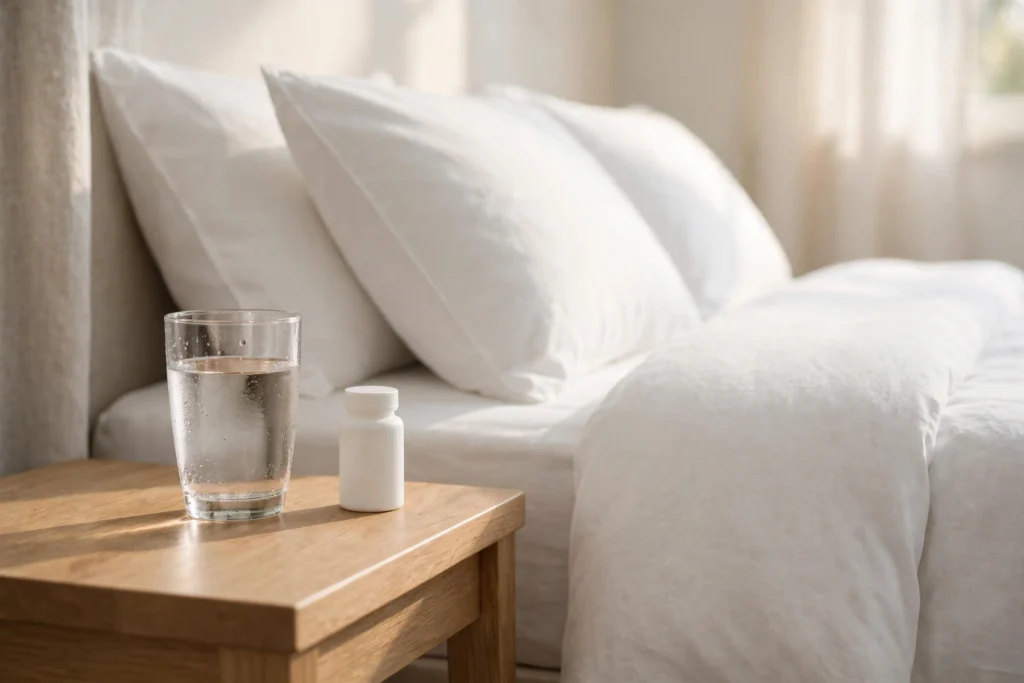
The fastest way to get rid of a headache is to act early rather than waiting for the pain to build, because painkillers work best when they are taken at the first signs of a headache, when they have time to be absorbed into the bloodstream and ease the symptoms before the pain peaks. The NHS recommends drinking plenty of water first, because dehydration is a common and easily fixed trigger, and then resting in a quiet, dark room if you can, relaxing as much as possible, and taking paracetamol or ibuprofen if they are suitable for you. Soluble painkillers, which dissolve in a glass of water, are a good alternative for fast relief, because they are absorbed quickly by the body, and a full dose of paracetamol taken as soon as the headache starts is generally more effective than a smaller dose taken late.
Alongside the painkiller, the small steps matter more than people expect, because a headache is often the result of several minor factors combining at once, such as poor sleep, missed meals, too much screen time and not enough water. Eating a regular meal, stepping away from screens, loosening tight clothing around the neck, and applying a heat pack or an ice pack to the head or neck can all help, provided extreme temperatures are avoided. The key principle is to treat the headache as a signal rather than as an enemy, because the body is usually telling you that it needs water, rest, food or a break, and the fastest relief comes from answering that signal rather than from pushing through it with more caffeine, more screen time and more stress.
What Type of Headache Do You Have?
Knowing what type of headache you have is the first step in learning how to get rid of headache, because different headaches respond to different treatments, and a remedy that works for one type may do nothing for another. The most common type is the tension headache, which the NHS describes as pain on both sides of the head, face or neck, with a feeling of something pressing on the head or tightening around it, and which can last from thirty minutes to several days. Tension headaches are usually linked to stress, poor sleep, dehydration or too much caffeine, and they can normally be treated with paracetamol or ibuprofen, rest and relaxation, which is why they are the type most people are dealing with when they search for how to get rid of a headache.
Migraine is less common than a tension headache but far more disruptive, and it usually involves throbbing pain, often on one side of the head, lasting from four hours to three days, with nausea, sensitivity to light and sound, and sometimes zigzag lines or other visual disturbances known as aura. The NHS advises taking painkillers early for a migraine, resting in a dark room, and seeing a GP for triptans if ordinary painkillers do not work, and it also says to seek urgent help if an attack lasts longer than seventy-two hours, if an aura lasts longer than an hour, or if you are pregnant or have just had a baby. Cluster headaches are rarer still, and they cause severe pain on one side of the head around the eye, lasting from fifteen minutes to three hours, often with a red, watery eye and restlessness, and they need a GP, because ordinary painkillers do not usually ease them and the recommended treatments include oxygen and triptan injections.
What the NHS Recommends for Headache Relief
The NHS advice for easing a headache yourself is practical, specific and easy to follow, and it is worth setting out in full because it is the most authoritative guidance available in the UK on how to get rid of headache. The NHS says to drink plenty of water, to get plenty of rest if you also have a cold or the flu, to try to relax, because stress can make headaches worse, and to take paracetamol or ibuprofen if they are suitable for you. It also says to stay at home and avoid contact with other people if you have a high temperature or do not feel well enough to do your normal activities, which is sensible advice for any illness that comes with a headache. For a tension headache, that combination is usually enough, and most headaches will clear within a few hours, although some can last for several days.
Beyond the basic advice, NHS patient leaflets add several useful details that are worth knowing. A full dose of paracetamol is best taken as soon as the headache starts, with a second dose after four hours if necessary, and no more than eight 500mg paracetamol tablets should be taken in one day. Anti-inflammatory painkillers such as ibuprofen can also help, and they are often most effective when taken early, before the headache worsens, because by the time the pain is severe it is often too late for the medication to work properly. Children under sixteen should not take aspirin, and anyone who takes other medicines, is pregnant, or has a medical condition should check with a pharmacist or GP before taking any painkiller, because even over-the-counter medicines have interactions and contraindications that matter.
What Not to Do When You Have a Headache
Just as important as knowing what to do is knowing what not to do, because several common habits make headaches worse rather than better, and the NHS is explicit about them. Do not skip meals, even if you do not feel like eating anything, because low blood sugar and hunger can both trigger and prolong a headache, and a small, regular meal is often part of the cure. Do not sleep more than you usually would, because oversleeping can make a headache worse, and the aim should be a normal night’s sleep rather than a lie-in that throws your body clock out of balance. Do not strain your eyes for a long time, for example by looking at a screen, because eye strain is a well-known headache trigger, and do not drink alcohol, because it dehydrates you and can turn a mild headache into a severe one.
There is one more habit that deserves a warning of its own, because it is the most common reason that headaches become a long-term problem: taking painkillers too often. NHS patient guidance warns that taking painkillers more than two or three times a week can actually cause headaches, a condition known as medication overuse headache, in which the treatment itself becomes the trigger and the headache returns as soon as the medicine wears off. Medication overuse headache usually gets better a few weeks after the person stops taking the medication that is causing it, but the process can be uncomfortable, and it is far better to avoid it by keeping painkiller use occasional and by addressing the underlying triggers, such as stress, sleep and hydration, rather than by reaching for a tablet every time a headache appears.
How to Prevent Headaches From Coming Back
Preventing headaches is a better strategy than treating them, because the habits that prevent headaches are the same habits that improve general health, and they cost nothing but attention, which is why they are the best long-term answer to how to get rid of headache. The NHS and NHS patient leaflets recommend regular exercise and relaxation, getting enough rest and regular sleep, eating regular meals and drinking fluids, and minimising screen time, and those five habits together address the most common triggers of tension headaches. Keeping a headache diary can also help, because it allows you to work out what triggers your headaches, and the Migraine Trust has advice about what to record in such a diary, including sleep, food, drink, stress and the timing of each attack, so that patterns become visible over a few weeks.
There are two less obvious preventive steps that are worth mentioning, because they are easy to miss. The first is to make sure you have seen an optician recently, to rule out eye strain as a cause, because an out-of-date prescription can cause headaches that no amount of paracetamol will fix. The second is to check your home environment, and in particular to make sure that any gas appliances have been safely tested for carbon monoxide if your headaches are worse when you are at home, because carbon monoxide is a serious and sometimes overlooked cause of headaches that occur indoors. Both steps are simple, both are recommended in NHS patient information, and both illustrate the same principle: a headache that keeps coming back is a problem to be investigated, not just a pain to be suppressed.
When a Headache Needs Urgent Medical Help
Most headaches are not serious, but some need medical help, and knowing the difference is the most important part of this article. The NHS says to see a GP if you have tried treating a headache yourself and it is not getting better or is getting worse, or if you regularly get headaches, because a headache that does not respond to treatment or that keeps returning may need investigation. You should ask for an urgent GP appointment or get help from NHS 111 if you have a headache that is getting worse despite treatment, if you have frequent or painful headaches that affect your daily activities or cause you to miss work, or if a headache wakes you up when you are sleeping, and you can call 111 or get help from 111 online, or call 111 if you need advice for a child under five.
There are also situations in which you should call 999 or go to A&E immediately, and the NHS lists them clearly: if you or a child has a headache and has had a seizure, has numbness or weakness in the body or face, has trouble speaking or walking, is confused, has lost vision, has recently injured their head, or has a very high temperature with a stiff neck or a rash that does not fade under a glass. You should not drive to A&E yourself in that situation, but ask someone to drive you or call 999 and ask for an ambulance, and bring any medicines you take with you. These red flags are rare, and most headaches will never come with them, but knowing them is essential, because the difference between a routine headache and a medical emergency is often a matter of minutes.
Conclusion
Learning how to get rid of headache is less about finding a single magic remedy and more about acting early, following the NHS advice, and knowing when to seek help, because the fastest relief comes from water, rest, relaxation and a painkiller taken at the first sign of pain. Tension headaches, which are the most common type, usually respond well to that combination, while migraines and cluster headaches need more specific treatment and a GP’s involvement, and the habits that prevent headaches, regular sleep, regular meals, exercise, hydration and limited screen time, are worth building into everyday life. The one habit to avoid is overusing painkillers, because taking them more than two or three times a week can cause the very headaches you are trying to treat.
The final message is a simple one: most headaches go away on their own and are not a sign of something more serious, and the NHS guidance is clear, practical and easy to follow. But a headache that does not improve, keeps coming back, or comes with any of the red-flag symptoms described in this article should never be ignored, because the right response in that situation is medical help, not another tablet. If you are unsure, call NHS 111 or speak to your GP, because a short conversation with a healthcare professional is always better than guessing, and it is the fastest route to the right answer for your particular headache.
How Do I Get Rid of Headache Fast?
To get rid of a headache fast, the NHS advises drinking plenty of water, resting, trying to relax, and taking paracetamol or ibuprofen if they are suitable for you, and it is important to act early, because painkillers work best when taken at the first signs of a headache. Soluble painkillers, which dissolve in a glass of water, are absorbed quickly and can be a good choice for fast relief, and a full dose of paracetamol taken as soon as the headache starts is more effective than a smaller dose taken late. You should also eat a regular meal, step away from screens, avoid alcohol, and rest in a quiet room if you can, because those steps address the common triggers that keep a headache going.
Should I take paracetamol or ibuprofen for a headache?
Both paracetamol and ibuprofen can ease a headache, and the NHS lists both as suitable options, so the choice depends on your own health and on what you have used before. Paracetamol is usually the first choice for a tension headache, and it is best taken as a full dose as soon as the headache starts, with a second dose after four hours if necessary, and no more than eight 500mg tablets in one day. Ibuprofen, an anti-inflammatory painkiller, can also help, and it is often most effective when taken early, but it is not suitable for everyone, so you should check with a pharmacist or GP if you take other medicines, are pregnant, or have a medical condition, and children under sixteen should not take aspirin.
Can dehydration cause a headache?
Yes, dehydration is a common cause of headaches, and the NHS lists drinking plenty of water as the first step in easing a headache yourself, which is why a glass of water is often the fastest and simplest remedy. Headaches linked to dehydration often improve quickly once fluids are replaced, and they are more likely after exercise, in hot weather, after drinking alcohol, or on days when you have simply forgotten to drink enough. The practical rule is to drink water regularly throughout the day rather than waiting until you feel thirsty, because thirst is already a sign that your body is short of fluids, and keeping a bottle of water at your desk is one of the easiest preventive habits there is.
When should I see a GP about a headache?
You should see a GP about a headache if you have tried treating it yourself and it is not getting better or is getting worse, or if you regularly get headaches, according to the NHS guidance last reviewed on 17 April 2024. You should ask for an urgent GP appointment or call NHS 111 if your headache is getting worse despite treatment, if frequent or painful headaches affect your daily activities or cause you to miss work, or if a headache wakes you up when you are sleeping. You should call 999 or go to A&E immediately if a headache comes with a seizure, numbness or weakness, trouble speaking or walking, confusion, vision loss, a recent head injury, or a very high temperature with a stiff neck or a non-fading rash.
What is a medication overuse headache?
A medication overuse headache is a headache caused by taking painkillers too often, and NHS patient guidance warns that taking painkillers more than two or three times a week can actually cause headaches rather than cure them. The condition develops when the treatment itself becomes the trigger, so the headache returns as soon as the medicine wears off, which leads the person to take more medicine, and the cycle continues. Medication overuse headache usually gets better a few weeks after the person stops taking the medication that is causing it, but the process can be uncomfortable, so the best approach is prevention: keep painkiller use occasional, address the underlying triggers such as stress, sleep and hydration, and speak to a GP if you find yourself needing painkillers most days.