Get Rid of External Hemorrhoids in 48 Hours: What Actually Helps Fast
If you want to get rid of external hemorrhoids in 48 hours, here is the honest truth first: no cream, bath or home remedy can guarantee that an external hemorrhoid will disappear completely in two days, and any website that promises a cure in 48 hours is selling you a fantasy. What you can realistically do in 48 hours is ease the pain, reduce the swelling, stop the itching, and give the pile the best possible chance to shrink and settle, and for most people, that is what fast relief actually means. External hemorrhoids, also called piles, often get better on their own after a few days, and the NHS says there are things you can do to treat and prevent them. This guide gives you a realistic 48-hour plan based on NHS advice, explains what actually helps, what to avoid, and when to see a doctor instead of waiting.
The Honest Truth About the 48-Hour Promise
The phrase “get rid of external hemorrhoids in 48 hours” is one of the most searched health phrases on the internet, and it is also one of the most misleading. An external hemorrhoid is a swelling containing enlarged blood vessels found inside or around the bottom, and the swelling does not vanish on a timetable. Small piles often settle down after a few days without any treatment, and larger or thrombosed piles, where a blood clot has formed inside, can take longer and may need medical treatment. No home remedy can dissolve a clot or shrink a large pile in 48 hours, and anyone who tells you otherwise is either mistaken or selling something.
That does not mean the next 48 hours are wasted. The pain, itching and swelling of an external hemorrhoid can improve a lot in two days if you do the right things: keep your stools soft, avoid straining, use a cold pack, take a warm bath, and use a pharmacy cream if you need it. The goal of the 48-hour plan is not a miracle cure, it is fast relief and the fastest possible recovery, and it is honest about what it can and cannot do. If your symptoms are getting worse, or there is no improvement after trying treatments at home, the NHS advises seeing a GP, and that advice matters more than any home remedy.
What External Hemorrhoids Are, and Why They Hurt
Piles, also known as haemorrhoids, are lumps inside and around your bottom, and they are very common: most people will have them at some point, and they are not a sign of anything serious on their own. External hemorrhoids are the ones you can feel around the anus, and they hurt because the skin around the anus is sensitive, and the swelling presses on the nerves and the blood vessels. The symptoms include bright red blood after you poo, an itchy anus, feeling like you still need to poo after going to the toilet, mucus in your underwear or on toilet paper after wiping, lumps around your anus, and pain around your anus. The pain is usually worst when you sit, when you strain, or when you wipe, and it can make the simplest things uncomfortable.
Piles are caused by pressure on the blood vessels in and around the anus, and the common causes are straining when you poo, constipation, sitting on the toilet for too long, pregnancy, and lifting heavy weights. The pressure makes the vessels swell, and the swelling makes the area sore, itchy and prone to bleeding. The good news is that the same things that cause piles are the things you can change, and the changes are simple: softer stools, less straining, more fibre, more fluid, and less time on the toilet. Understanding what a pile is helps you understand why the 48-hour plan works the way it does, because every step in the plan is aimed at reducing the pressure and the swelling.
The 48-Hour Plan: What to Do in the First Two Days
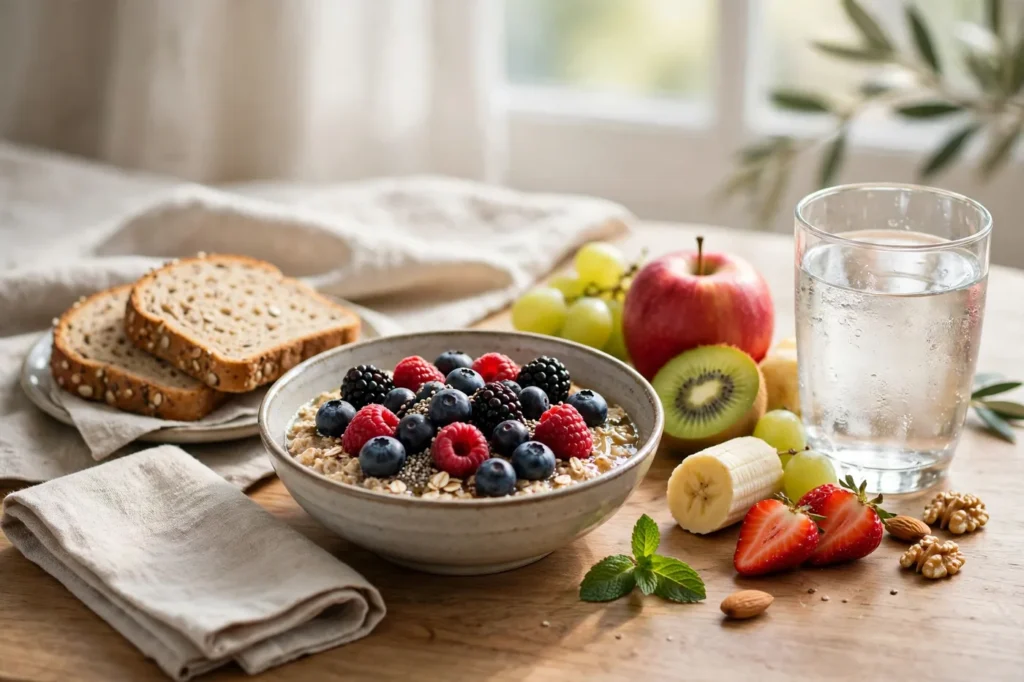
The first 48 hours are about two things: making your stools soft so that you stop straining, and soothing the swelling so that the pain eases. Start with fibre and fluid: drink lots of fluid, particularly water, and eat plenty of fibre to keep your poo soft, because hard stools are the main reason piles hurt and bleed. Good sources of fibre include fruit, vegetables, wholegrain rice, wholewheat pasta and bread, pulses and beans, seeds, nuts and oats, and you should increase the fibre gradually, because a sudden jump can cause bloating. Drink water through the day, and cut down on alcohol and caffeine, like tea, coffee and cola, because they can make constipation worse and they dehydrate you.
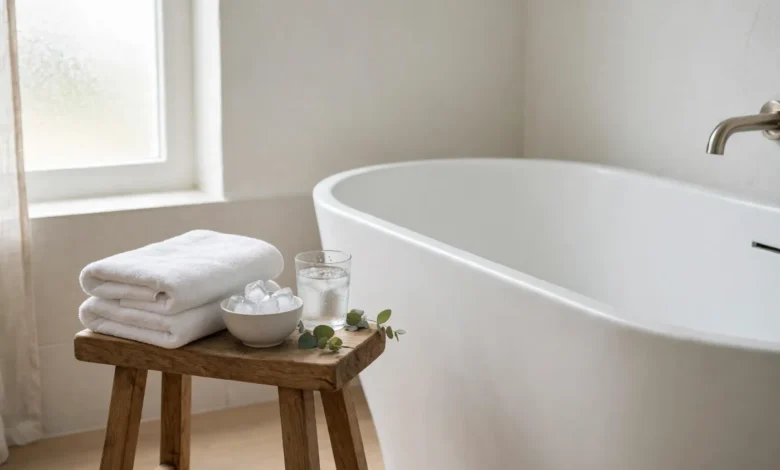
The second part of the plan is local care, and it is simple. Take a warm bath to ease the itching and pain, and do it two or three times a day if you can, for ten to fifteen minutes at a time. Use an ice pack wrapped in a towel to ease the discomfort, and hold it against the pile for a few minutes at a time. Keep your bottom clean and dry, and pat it dry rather than rubbing it, because rubbing makes the soreness worse. Wipe your bottom gently with damp toilet paper, and do not spend more time than you need to on the toilet, because sitting for a long time increases the pressure. If you can, gently push the pile back inside, and take paracetamol if the pile hurts, because paracetamol is safe and effective for the pain.
What Actually Shrinks the Swelling
The swelling of an external hemorrhoid shrinks when the pressure on the blood vessels falls, and that takes time, but there are things that help it along. A pharmacist can suggest creams to ease the pain, itching and swelling, and treatment such as laxatives to help constipation and soften your poo, and cold packs to ease the discomfort. The creams work by soothing the skin and reducing the inflammation, and they are available over the counter, without a prescription, from any pharmacy. Many pharmacies have private areas if you do not want to be overheard, and the pharmacist can also tell you whether a cream is right for you, or whether you need something stronger.
The warm baths and the cold packs are the most effective home measures, and they work in different ways. A warm bath relaxes the muscles around the anus, eases the itching and pain, and improves the blood flow, which helps the swelling to drain. A cold pack constricts the blood vessels, which reduces the swelling and numbs the pain, and it is particularly helpful in the first few hours when the pile is at its worst. Used together, warm baths and cold packs are the closest thing to a fast treatment that exists, and they are safe, cheap and available to everyone. The fibre and fluid are the long-term fix, because they stop the straining that caused the pile in the first place, and they reduce the risk of it coming back.
What to Avoid: The Mistakes That Make It Worse
There are several things that make an external hemorrhoid worse, and avoiding them is as important as doing the right things. Do not ignore the urge to poo, because delaying going to the toilet makes your stools harder and drier, which leads to straining when you do go. Do not push too hard when pooing, because straining is the main cause of piles, and it is also the main reason they do not heal. Do not take painkillers that contain codeine, such as co-codamol, because they can cause constipation, which makes the piles worse. Do not take ibuprofen if your piles are bleeding, because it can make the bleeding worse, and do not wipe your bottom too hard after you poo, because it irritates the skin and makes the soreness worse.
The other mistake is spending too much time on the toilet, which is easy to do when you are scrolling on your phone. Sitting on the toilet for a long time increases the pressure on the blood vessels, and it is one of the most common reasons piles develop and do not heal. Go to the toilet when you need to, do not strain, and get up when you are done. The same applies to heavy lifting, which increases the pressure in the abdomen, and to sitting for long periods without moving, which also increases the pressure. Exercise regularly, because it helps prevent constipation, reduces your blood pressure, and helps you lose weight if you are overweight, and all of these reduce the risk of piles returning.
When to See a GP, a Pharmacist, or Call 111
Most piles get better on their own after a few days, but there are times when you should see a doctor, and it is important to know them. See a GP if you have symptoms of piles and they are getting worse, or there is no improvement after trying treatments at home, or if you keep getting piles, or if you notice a change around your anus that is not normal for you. The GP may prescribe stronger medicines for piles or constipation, and they may also check that your symptoms are not being caused by something else, because rectal bleeding can have other causes, and it is always worth getting it checked. You should always get any rectal bleeding checked out, so your doctor can rule out more potentially serious causes.
Ask for an urgent GP appointment or get help from NHS 111 if you have piles and your temperature is very high, or you feel hot, cold or shivery and generally unwell, or you have painless bleeding from the bottom, or pus is leaking from your piles. You can call 111 or get help from 111 online. Go to A&E or call 999 if you have piles and you are bleeding non-stop, or there is a lot of blood or you see large blood clots, or you are in severe pain. Do not drive to A&E: ask someone to take you. These are the red flags, and they are not the time for home remedies, they are the time for medical help, and the help is there for a reason.
For more detail, see the NHS Inform guide to haemorrhoids (piles).
Hospital Treatments If Home Care Does Not Work
If there is no improvement to your piles after home treatments, you may need hospital treatment, and it is worth knowing what that involves, because it is less frightening than it sounds. Common hospital treatments that do not need surgery include rubber band ligation, where a band is placed around your piles to make them drop off, sclerotherapy, where a liquid is injected into your piles to make them shrink, electrotherapy, where a gentle electric current is applied to your piles to make them shrink, and infrared coagulation, where an infrared light is used to cut the blood supply to your piles to make them shrink. You will be awake for this type of treatment, but the area may be numbed, and you should be able to go home on the same day.
If these treatments do not work, or your piles are large, you may need surgery to remove them. Surgical treatments include haemorrhoidectomy, where your piles are cut out, stapled haemorrhoidopexy, where your piles are stapled back inside your anus, and haemorrhoidal artery ligation, where stitches are used to cut the blood supply to your piles to make them shrink. Surgery is carried out under general anaesthetic, where you are unconscious, and it is sometimes used to remove or shrink large or external haemorrhoids. Talk to your doctor about the best treatment for you, because treatment does not always prevent piles coming back, and the lifestyle changes, fibre, fluid and exercise, are still the best way to stop them returning.
Conclusion
You cannot guarantee to get rid of external hemorrhoids in 48 hours, and any website that promises a cure in two days is not being honest with you. What you can do in 48 hours is ease the pain, reduce the swelling, stop the itching, and give the pile the best possible chance to shrink and settle, and for most people, that is what fast relief actually means. Drink lots of fluid, eat plenty of fibre, take warm baths, use a cold pack, keep the area clean and dry, and ask a pharmacist about a cream if you need one. Avoid straining, avoid codeine painkillers, and do not spend too long on the toilet. If there is no improvement after a week of home treatment, or if you have any of the red flags, see a GP, call 111, or go to A&E. The 48-hour plan is a start, not a cure, and the honest version is the one that helps you get better and stay better.
Can you get rid of external hemorrhoids in 48 hours?
No, you cannot guarantee to get rid of an external hemorrhoid completely in 48 hours, and any website that promises a cure in two days is not being honest. What you can do in 48 hours is ease the pain, reduce the swelling, stop the itching, and give the pile the best chance to shrink. Small piles often settle down after a few days on their own, and the NHS advises seeing a GP if there is no improvement after trying treatments at home.
What helps external hemorrhoids fastest?
The fastest relief comes from a combination of warm baths, a cold pack wrapped in a towel, and keeping your stools soft with fibre and fluid. A pharmacist can suggest creams to ease the pain, itching and swelling, and laxatives to help constipation. Take paracetamol if the pile hurts, and avoid straining, codeine painkillers, and spending too long on the toilet, because all of these make piles worse.
Do external hemorrhoids go away on their own?
Yes, external hemorrhoids often get better on their own after a few days, and the NHS says there are things you can do to treat and prevent them. The symptoms often settle down after a few days without needing treatment, but you should see a GP if your symptoms do not get better, if you keep getting piles, or if you notice a change around your anus that is not normal for you.
When should I see a doctor for hemorrhoids?
See a GP if your symptoms are getting worse, if there is no improvement after trying treatments at home, if you keep getting piles, or if you notice a change that is not normal for you. Ask for an urgent GP appointment or call NHS 111 if you have a very high temperature, feel hot and shivery and generally unwell, have painless bleeding, or pus is leaking. Go to A&E or call 999 if you are bleeding non-stop, there is a lot of blood or large clots, or you are in severe pain.
What is the best cream for external hemorrhoids?
A pharmacist can suggest creams to ease the pain, itching and swelling of external hemorrhoids, and they are available over the counter without a prescription. The best cream for you depends on your symptoms, so ask a pharmacist, who can also suggest laxatives to help constipation and cold packs to ease discomfort. Many pharmacies have private areas if you do not want to be overheard.
How do I prevent external hemorrhoids from coming back?
To prevent external hemorrhoids from coming back, gradually increase the fibre in your diet, drink plenty of fluid, do not delay going to the toilet, avoid straining, exercise regularly, and lose weight if you are overweight. These measures reduce the strain on the blood vessels in and around your anus, and they reduce the risk of piles returning, or even developing in the first place.