Horse Boarding Near Me: How to Find the Right Stable
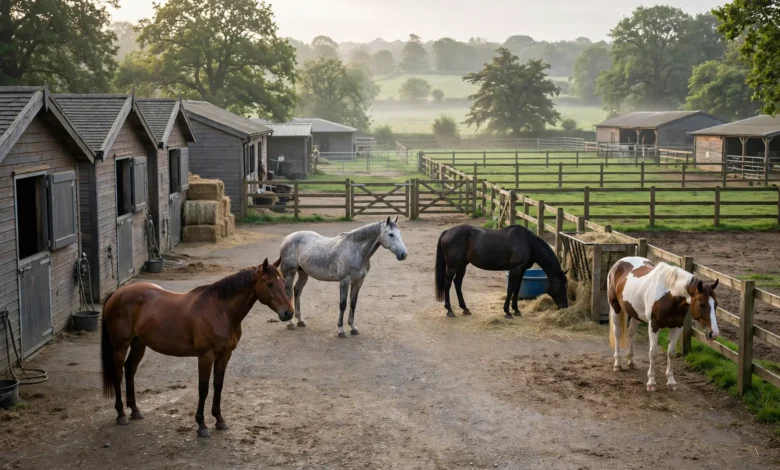
If you are looking for horse boarding near me, you are looking for a stable where your horse will be safe, well fed and properly cared for while you cannot be there yourself. The right yard makes all the difference to a horse’s health and happiness, and to your peace of mind, but the wrong one can cause problems that take months to put right. This guide explains the types of boarding available, what good stables include, how much boarding tends to cost, and what to check on a visit before you make your choice.

What Is Horse Boarding?
Horse boarding, also known as livery in the United Kingdom, is an arrangement in which a stable or yard looks after your horse for a monthly fee. The horse lives at the yard, and the staff take care of some or all of its daily needs, depending on the type of boarding you choose. At one end of the scale, full board means the yard does almost everything, from feeding and mucking out to turning the horse out and bringing it in. At the other end, a self-care arrangement means you do most of the work yourself and the yard simply provides the stable and the facilities.
Boarding suits owners who do not have land or stables of their own, who travel for work, or who want the company and support of a yard community. It is also a practical choice for first-time owners, since the staff at a good yard can offer advice and spot problems early. The key point is that boarding is not just a place to keep a horse: it is a service, and the quality of that service depends on the people running the yard, the condition of the facilities, and the standard of daily care the horses receive.
What Types of Horse Boarding Are There?
There are four main types of horse boarding, and understanding the differences is the first step to choosing the right one. Full board is the most comprehensive option: the yard provides the stable, feed, hay, bedding, daily mucking out, turnout and bringing in, and usually basic care such as rugging and checking the horse over. It is the most expensive option, but it suits owners who are short on time or who want the yard to handle the daily routine completely.
Partial board, sometimes called part livery, sits in the middle. The yard typically handles the morning routine, including feeding, mucking out and turnout, while the owner takes over in the afternoon or evening. Pasture board, also known as grass livery, means the horse lives out in a field with access to a shelter, with the yard providing feed, water and regular checks. It suits hardy horses and owners on a smaller budget, although it offers less protection in bad weather. Self-care board, or do-it-yourself livery, is the cheapest option: the yard provides a stable and grazing, and the owner does all the feeding, mucking out and care themselves. The right type depends on your budget, your time, and your horse’s needs.
How Much Does Horse Boarding Near Me Cost?
The cost of horse boarding near me varies widely depending on where you live, the type of board you choose, and the facilities on offer, so it is difficult to give a single figure. Full board is the most expensive, since it includes the most labour and the most feed, while self-care board is usually the cheapest, since you are doing the work yourself. Pasture board generally sits between the two. Prices also vary by region, with yards near large towns and cities usually charging more than rural yards, and well-equipped yards with indoor schools, good hacking and experienced staff charging more than basic facilities.
What is included in the price matters as much as the price itself. Some yards include hay, feed and bedding in the monthly fee, while others charge for these separately, so two yards with very different headline prices can work out similarly once everything is added up. Extras such as blanketing, holding the horse for the farrier or vet, exercising the horse, or providing a rug change can also be charged on top. The best approach is to ask for a written breakdown of exactly what is included before you compare prices, and to get quotes from two or three local yards so you can see what is normal in your area.
What Should Good Horse Boarding Include?
Good horse boarding starts with the basics: a clean, dry stable of a reasonable size, with good ventilation and natural light, and safe fencing around the turnout fields. The stable should be mucked out daily, with fresh bedding and clean water available at all times, and the yard should have a secure place to store feed, tack and rugs. Turnout is important too: horses are herd animals that need movement and company, so a good yard will offer daily turnout in a field that is well maintained, with safe fencing and no hazards such as broken rails or rubbish.
Beyond the facilities, good boarding means good daily care. The staff should check each horse at least twice a day, notice if a horse is off its feed or showing signs of illness or injury, and contact the owner promptly if something is wrong. Feed should be of good quality and suited to each horse, and the yard should have a clear routine for worming, vaccinations and farrier visits. A good yard will also have a plan for emergencies, including a vet’s contact details on display, a first aid kit, and someone on site or on call overnight. These details are what separate a professional yard from a field with a stable attached.
How Do I Find Horse Boarding Near Me?
Finding horse boarding near me usually starts with local knowledge. Ask at your local tack shop, riding school or feed merchant, since they will know the yards in your area and which ones have a good reputation. Other horse owners are an excellent source of recommendations, and local riding clubs, pony clubs and online equestrian groups often have members who can suggest yards with space available. A personal recommendation from someone whose horse is already at a yard is worth far more than any advertisement.
Online searches can help too, but they should be a starting point rather than the whole search. Look for yards with a proper website or a social media page that shows the facilities and the horses, and read reviews where they exist. The British Horse Society also maintains guidance for horse owners, and its website is a useful place to check standards and advice before you start visiting yards. Once you have a shortlist of two or three yards, the next step is to visit each one in person, since no website can tell you what a yard actually feels like.
What to Check When You Visit a Boarding Stable
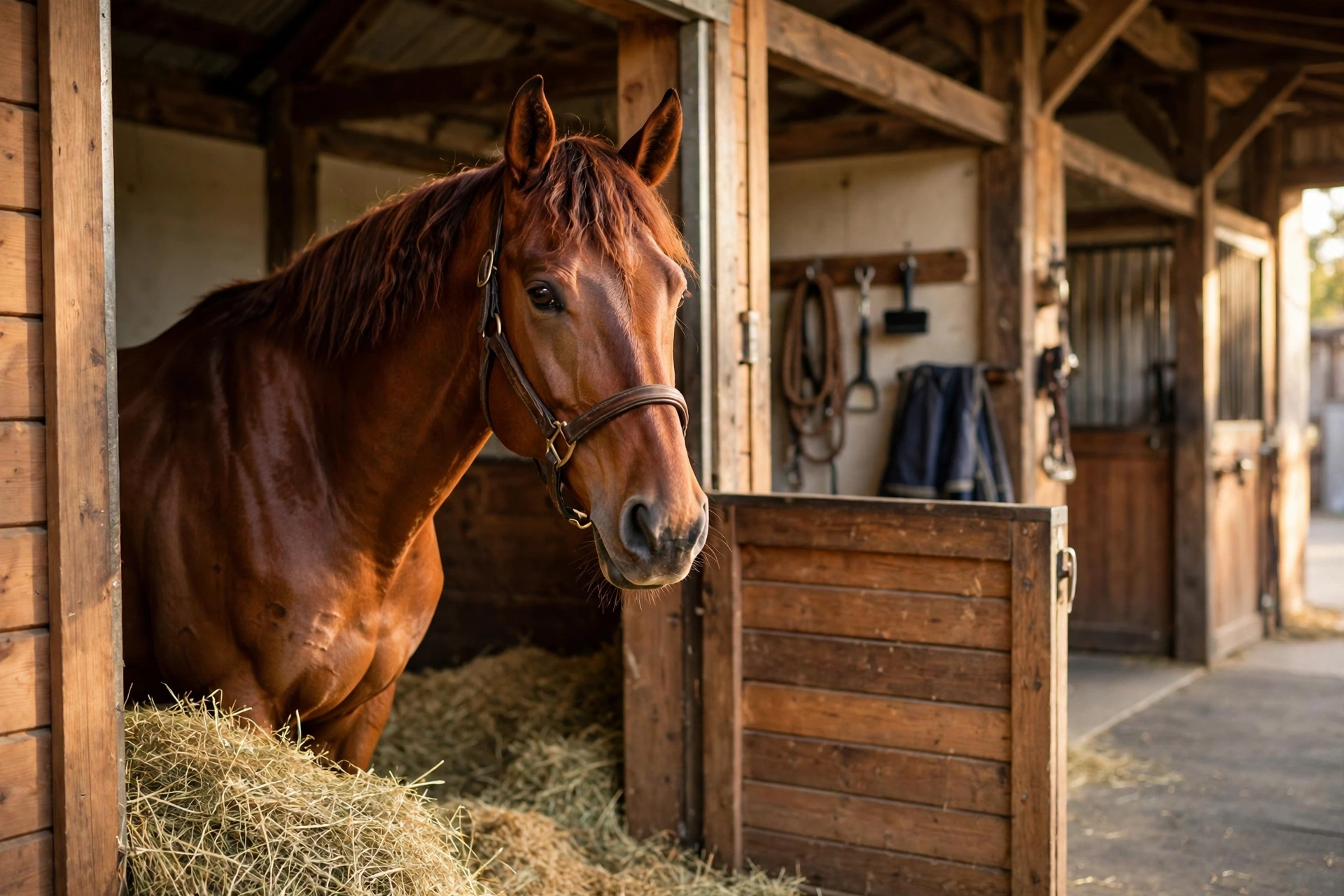
Visiting a boarding stable in person is the most important part of choosing one, and there is a great deal to look for. Start with the horses themselves: do they look healthy, with shiny coats and bright eyes, and do they seem calm and settled? A yard full of horses that look thin, dull or stressed is a warning sign, whatever the facilities look like. Then look at the stables: they should be clean, dry and well ventilated, with fresh bedding and no strong smell of ammonia. The fields should have safe fencing, a water supply and some shelter, and they should not be overgrazed or full of hazards.
Pay attention to the people as well as the place. Are the staff friendly and willing to answer questions, or do they seem rushed and defensive? Is there someone experienced in charge, and is there cover when they are away? Check the tack room and feed room for tidiness and security, ask where the muck heap is and how it is managed, and look at the riding facilities, such as the school surface and the hacking routes. Visit at a busy time if you can, such as a morning when the horses are being turned out, since that is when you will see the yard as it really operates.
Questions to Ask Before You Choose a Stable
Before you commit to a yard, it is worth asking a set of direct questions and listening carefully to the answers. Ask what is included in the monthly fee and what costs extra, so there are no surprises later. Ask about the daily routine: what time the horses are fed, mucked out and turned out, and who is responsible for each task. Ask about turnout, including how many hours a day the horses spend outside and what happens in bad weather. Ask about the yard’s rules on visitors, dogs, riding times and use of the school, since these vary widely and can affect your enjoyment of the yard.
It is also important to ask about emergencies and health. Find out what happens if your horse becomes ill or injured, who is authorised to call the vet, and whether there is someone on site overnight. Ask about the yard’s requirements for vaccinations, worming and farrier visits, and whether you are free to use your own vet and farrier or must use the yard’s. Finally, ask for references, or at least the chance to speak to an existing livery. A yard that is proud of its service will be happy to arrange it, while one that refuses may have something to hide. The answers to these questions will tell you more about a yard than any brochure ever could.
What Is in a Horse Boarding Contract?
A proper horse boarding contract protects both you and the yard, and you should always have one before your horse moves in. The contract should set out the type of board, the monthly fee, what is included and what is charged extra, and when and how payment is due. It should also state the notice period required if either side wants to end the arrangement, which is usually one month, and what happens if payment is late. These terms may seem formal, but they prevent misunderstandings that can otherwise turn into disputes.
The contract should also cover the practical details of caring for your horse. It should say who is responsible for feeding, mucking out, turnout and rugging, and who is authorised to call the vet or farrier in an emergency. It should state the yard’s rules on riding, visitors, dogs and use of facilities, and it should set out who is liable if your horse is injured or causes damage. Some contracts also include a clause about what happens if the horse is abandoned or the owner cannot be contacted. Read the contract carefully, ask about anything you do not understand, and keep a signed copy. A yard that does not offer a written agreement is a warning sign in itself.
Conclusion
Finding horse boarding near me is about more than finding the nearest yard with an empty stable. The right choice depends on the type of board that suits your budget and your time, the quality of the facilities and the daily care, and the people who will be looking after your horse when you are not there. Full board suits owners who want everything handled, while partial, pasture and self-care board offer different balances of cost and involvement. Whichever type you choose, the fundamentals are the same: a clean stable, good turnout, quality feed, attentive staff and a clear agreement.
Take your time, visit two or three yards in person, ask direct questions, and trust what you see. A yard where the horses look healthy and settled, the stables are clean and the staff are open and knowledgeable is usually a yard worth choosing. Get the costs in writing, read the contract, and make sure you know what is included before your horse moves in. Do that, and the search for horse boarding near you should end with a stable you can trust and a horse that is happy there.
How much does horse boarding cost?
The cost of horse boarding varies by type, region and facilities. Full board is the most expensive because it includes feeding, mucking out and daily care, while self-care board is the cheapest because the owner does the work. Always ask for a written breakdown of what is included, and compare quotes from two or three local yards before deciding.
What is full board vs partial board?
Full board means the yard handles almost everything: feeding, mucking out, turnout, bringing in and basic daily care. Partial board, or part livery, means the yard usually handles the morning routine while the owner takes over in the afternoon or evening. The right choice depends on your budget and how much time you can spend at the yard.
Can I visit my horse at any time?
Most yards allow owners to visit during reasonable hours, but the exact rules vary. Some yards have set visiting hours, while others are more flexible. Ask about access times, whether there is someone on site overnight, and whether there are any restrictions on riding or using the school before you commit.
What should I bring when my horse moves in?
You will usually need to bring your horse’s tack, rugs, grooming kit, feed buckets and any supplements or medication, along with the horse’s passport and vaccination records. The yard will normally provide the stable, bedding and grazing, and may provide hay and feed depending on the type of board. Check with the yard in advance so you know exactly what to bring.
Source: World Horse Welfare