Carpet Cleaner Near Me: Find a Trusted Local Cleaner
If you are looking for a carpet cleaner near me, you probably want two things: a carpet that looks and smells clean again, and a local professional you can trust in your home. A good carpet cleaner can lift ground-in dirt, remove stains and revive a carpet that vacuuming alone cannot save, but the quality of the result depends heavily on who you hire and which method they use. This guide explains what a professional clean involves, how much it tends to cost, how to tell steam cleaning from dry cleaning, and how to choose a reliable local cleaner.
What Does a Professional Carpet Cleaner Do?
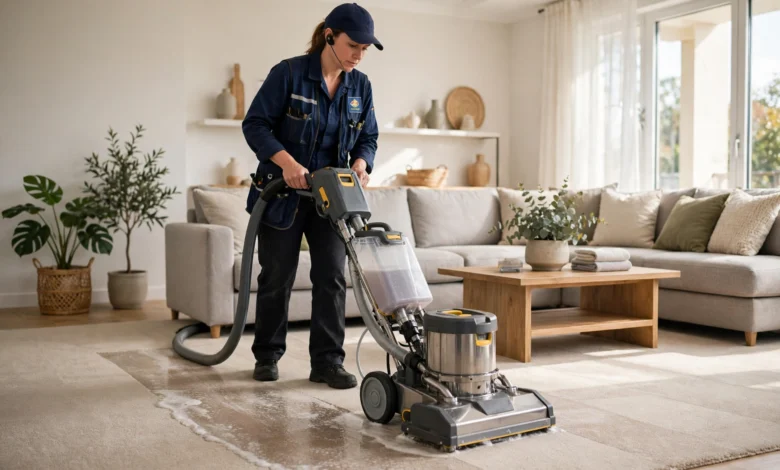
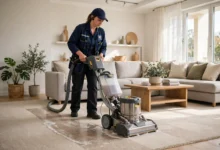
A professional carpet cleaner does far more than run a vacuum over your carpet. The job usually starts with a thorough vacuuming to remove loose dirt, followed by a pre-treatment sprayed onto stains and heavily soiled areas to loosen the grime. The cleaner then uses a specialist machine to work a cleaning solution deep into the carpet fibres, agitate it so that it lifts the dirt, and extract the dirty water back out again. The result is a carpet that is cleaner at a level a domestic vacuum or a rented machine rarely reaches.
The equipment is the main difference between a professional and a do-it-yourself job. Professional machines use more powerful suction and hotter water than the machines you can hire from a supermarket, which means they can remove more dirt and leave less moisture behind. A good cleaner will also inspect the carpet first, identify the fibre type and any problem areas, and choose the method and cleaning solution to suit. Wool carpets, for example, need gentler treatment than synthetic ones, and a stain from red wine needs a different approach from a muddy footprint.
How Much Does a Carpet Cleaner Near Me Cost?
The cost of hiring a carpet cleaner near me depends on several factors, so it is difficult to give a single figure that applies everywhere. The size of the area is the biggest factor: most cleaners price by the room or by the square metre, and a small bedroom will cost considerably less than a large open-plan living room or a whole house. The condition of the carpet matters too, since a heavily stained or neglected carpet may need pre-treatment or a second pass, and some cleaners charge extra for stain removal, deodorising or protective treatments.
The method also affects the price, with hot water extraction often costing a little more than a basic dry clean because it takes longer and uses more equipment. Location plays a part as well, since prices in London and the South East tend to be higher than in other parts of the country. The best approach is to get two or three written quotes from local cleaners, making sure each one covers the same rooms and the same services, so you can compare them fairly. Be wary of any quote that seems far below the others, since it may not include the pre-treatment or the drying time that a proper clean requires.
Steam Cleaning vs Dry Carpet Cleaning: Which Is Better?
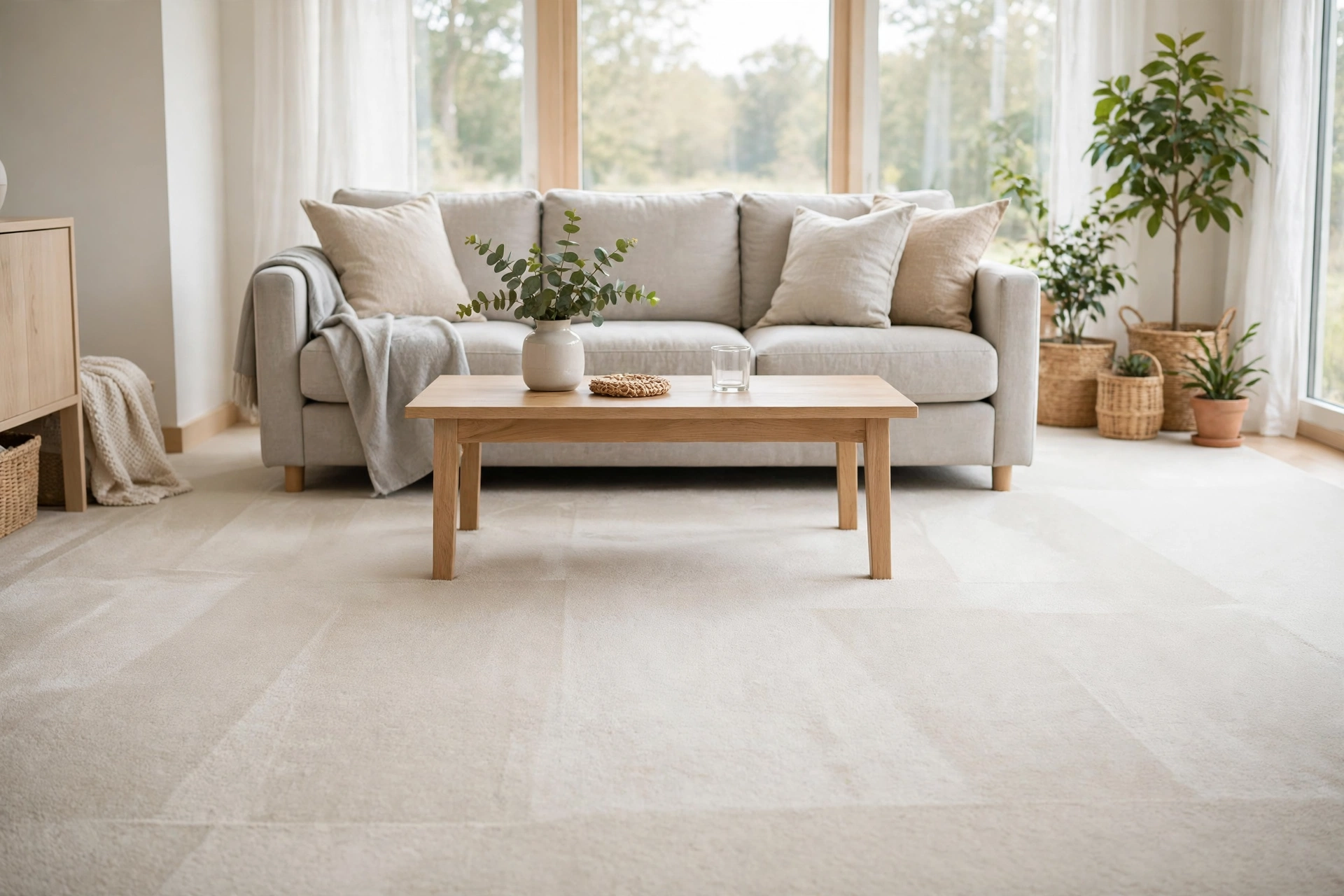
Steam cleaning, more accurately called hot water extraction, is the most common professional method and is the one recommended by most carpet manufacturers. Hot water mixed with a cleaning solution is sprayed into the carpet under pressure, then extracted along with the dissolved dirt, leaving the fibres deep-cleaned. It is the most thorough method available and is particularly good for heavily soiled carpets, homes with pets, and allergy sufferers, since the hot water helps to remove dust mites and allergens. The main drawback is drying time, which is typically somewhere between six and twelve hours depending on ventilation and humidity.
Dry carpet cleaning, by contrast, uses very little water. A cleaning compound is spread over the carpet and worked into the fibres with a machine, where it absorbs the dirt before being vacuumed away. The carpet is usually dry enough to walk on within an hour or two, which makes it attractive for offices, hotels and homes that cannot wait for a carpet to dry. The trade-off is that it cleans less deeply than hot water extraction, so it is better suited to lightly soiled carpets and regular maintenance than to a carpet that has not been cleaned for years. Some cleaners also offer encapsulation, a low-moisture method in which a polymer solution crystallises around dirt particles so they can be vacuumed away. The right choice depends on your carpet, how dirty it is, and how quickly you need the room back in use.
How Do I Find a Good Carpet Cleaner Near Me?
Finding a good carpet cleaner near me starts with local reviews and recommendations. Ask friends, family or neighbours who they have used, and check review sites such as Checkatrade or Trustpilot for cleaners with a consistent record of good feedback in your area. Look for patterns in the reviews rather than a single glowing comment: repeated mentions of punctuality, care with furniture and good stain removal are far more reassuring than a handful of five-star ratings with no detail.
Certification is another useful signal. In the UK, many reputable cleaners hold certification from the Institute of Inspection, Cleaning and Restoration Certification, known as the IICRC, which sets professional standards for carpet cleaning. A cleaner who is insured is also worth seeking out, since it protects you if anything is damaged during the clean. When you contact a cleaner, ask what method they use, whether the quote includes pre-treatment and stain removal, and how long the carpet will take to dry. A professional who answers these questions clearly and without pressure is usually a safe choice, while one who cannot explain their method or who pushes for an immediate booking is a warning sign.
What Should You Expect on the Day?
On the day of the clean, the cleaner will usually start by inspecting the carpet and discussing any stains or areas of concern with you. They will then move light furniture out of the way, vacuum the carpet thoroughly, and apply a pre-treatment to stains and heavily trafficked areas. The main clean follows, with the machine working across the carpet in sections, and the cleaner will usually finish by grooming the carpet fibres so they dry evenly and look their best.
You should expect some disruption, since the rooms being cleaned will be out of use while the work is done and while the carpet dries. Most cleaners will ask you to keep children and pets away from damp carpet, and they may suggest opening windows or turning on the heating to help it dry. A good cleaner will walk you through the results before they leave, point out any stains that could not be fully removed, and explain why. If a stain has set permanently into the fibres, an honest cleaner will say so rather than promise a result they cannot deliver.
How Often Should You Have Your Carpets Professionally Cleaned?
Most carpet manufacturers and cleaning professionals recommend a professional clean every twelve to eighteen months for an average household, although the right frequency depends on how the carpet is used. A home with pets, young children or allergy sufferers will usually need cleaning more often, since pet hair, spills and allergens build up faster. High-traffic areas such as hallways and living rooms may need attention every six to twelve months, while a spare bedroom that is rarely used can go much longer between cleans.
Regular cleaning is not just about appearance. Dirt and grit work their way into carpet fibres and act like sandpaper, wearing the fibres down every time someone walks across them, so a carpet that is cleaned regularly will generally last longer than one that is neglected. Professional cleaning also removes allergens such as dust mites and pollen that vacuuming alone cannot fully shift, which can make a noticeable difference for anyone in the household with asthma or allergies. Treating carpet cleaning as routine maintenance, rather than something to do only when a carpet looks dirty, is the best way to protect your investment.
Can a Carpet Cleaner Remove Pet Stains and Smells?
A professional carpet cleaner can usually remove most pet stains and smells, although the result depends on how long the stain has been there and whether it has reached the underlay. Fresh accidents are far easier to deal with than old ones, because urine that has soaked through the carpet and into the padding underneath is much harder to remove completely. A good cleaner will use an enzyme-based treatment that breaks down the proteins in pet urine, followed by a deep extraction clean, and this combination deals with most cases effectively.
It is important to be honest with the cleaner about what the stains are and how old they might be, since that helps them choose the right treatment. Some cleaners also offer a deodorising treatment as an extra, which can help with lingering smells in a home with pets. However, if the underlay itself is saturated, even the best clean may only improve the problem rather than eliminate it, and in severe cases replacing a section of underlay may be the only complete solution. A reputable cleaner will explain this before starting work rather than promising a perfect result they cannot guarantee.
How to Prepare Your Home Before the Cleaner Arrives
Preparing your home before the carpet cleaner arrives makes the job faster and the result better. Start by vacuuming the carpet yourself, since removing loose dirt first allows the cleaner to focus on the deep-down grime. Move small items such as toys, shoes and floor lamps out of the rooms being cleaned, and clear a path from the front door so the cleaner can bring their equipment in without difficulty. Larger furniture can usually be left in place, since most cleaners will move light items and clean around heavier pieces, but it is worth asking in advance what they will and will not move.
It is also worth making a note of any stains you are worried about and pointing them out when the cleaner arrives, so they can give those areas extra attention. If you have pets, arrange for them to be in another room or out of the house during the clean, both for their safety and so the cleaner can work without interruption. Finally, plan for the drying time: avoid walking on damp carpet in outdoor shoes, and keep the room ventilated by opening windows or turning on the heating. A little preparation goes a long way towards a smooth visit and a good result.
Conclusion
Finding a carpet cleaner near me is not difficult, but finding a good one takes a little care. The best cleaners are local, well-reviewed, properly insured and happy to explain their method, their price and their drying times before they start work. Hot water extraction is the deepest clean available and suits most homes, while dry cleaning is the better choice when you need the room back quickly. Either way, the key is to choose a cleaner who inspects the carpet first, treats stains honestly and leaves you with a clear idea of what to expect.
A professional carpet clean every twelve to eighteen months will keep your carpets looking better, smelling fresher and lasting longer, and it is one of the simplest ways to look after your home. Get two or three quotes, check the reviews, ask about the method, and prepare the rooms before the cleaner arrives. Do that, and the search for a carpet cleaner near you should end with a carpet that feels like new and a local professional you will be happy to call again.
How long does carpet take to dry after cleaning?
Drying time depends on the method used. A carpet cleaned by hot water extraction typically takes between six and twelve hours to dry fully, depending on ventilation, humidity and the thickness of the carpet. A dry-cleaned carpet is usually ready to walk on within one to two hours. Opening windows and turning on the heating will help any carpet dry faster.
Is professional carpet cleaning worth it?
For most households, yes. A professional clean removes ground-in dirt, stains and allergens that vacuuming cannot shift, and regular cleaning helps carpets last longer by preventing grit from wearing down the fibres. It is particularly worthwhile in homes with pets, children or allergy sufferers, and before selling or letting a property.
Can carpet cleaning damage my carpet?
Professional carpet cleaning should not damage a carpet when it is done correctly, but the wrong method can cause problems. Wool carpets need gentler treatment than synthetic ones, and over-wetting can lead to shrinkage or mildew. This is why it matters to hire a cleaner who inspects the carpet first and chooses the method to suit the fibre type.
How do I choose between steam and dry cleaning?
Choose steam cleaning, or hot water extraction, for a deep clean of a heavily soiled carpet, for pet stains, or if anyone in the household has allergies. Choose dry cleaning when you need the room back quickly, for lightly soiled carpets, or for regular maintenance cleans. A reputable cleaner will recommend the right method after inspecting your carpet.