Royal Engineers Service Records: Your Complete Guide to WW1, WW2 & Free Access in the UK


Royal engineers service records are an invaluable resource for anyone researching British military history or tracing family heritage. These records contain detailed information about soldiers who served in the Royal Engineers, including enlistment dates, ranks, unit movements, and casualty details. They cover periods from WW1, WW2, and post-1920 service, providing an essential insight into the lives of men and women who contributed to the British Army.


Understanding royal engineers service records allows researchers, historians, and genealogists to explore personal stories behind military service. Beyond basic details, these records often include medal awards, disciplinary notes, and postings that highlight a soldier’s career trajectory. Accessing them helps preserve history while honouring those who served in crucial engineering roles during key conflicts, particularly in the UK and overseas campaigns.
Understanding Royal Engineers Service Records
Royal engineers service records document the military careers of those who served in this specialised corps, responsible for engineering, fortification, and logistics support. Each record typically contains personal information such as name, date of birth, rank, and service number, alongside enlistment, postings, and discharge dates. For family historians, these records are a goldmine for reconstructing military life in WW1 and WW2.
Records from different periods vary in detail. WW1 royal engineers service records often include handwritten enlistment forms, unit assignments, and casualty lists, whereas WW2 records may also include journals, operational reports, and medical details. By studying these records, researchers gain a deeper understanding of how the Royal Engineers operated and contributed to Britain’s military efforts throughout history.
Accessing Royal Engineers Service Records in the UK
Access to royal engineers service records depends on the time period. Records from before 1920 are mainly held by the National Archives and are often available digitally through platforms like Findmypast and Ancestry UK. These early records provide a comprehensive look at WW1 service, including unit assignments, casualty details, and sometimes personal correspondence, making them invaluable for historical research.
Post-1920 records are held by the Ministry of Defence and require formal applications. Researchers must provide proof of death for deceased soldiers and evidence of relationship when requesting records. WW2 royal engineers service records, including casualty lists, war diaries, and operational journals, can also be accessed through online archives, offering rich insights into the lives of those who served during one of the most pivotal periods in UK history.
Step-by-Step Guide to Requesting Royal Engineers Service Records
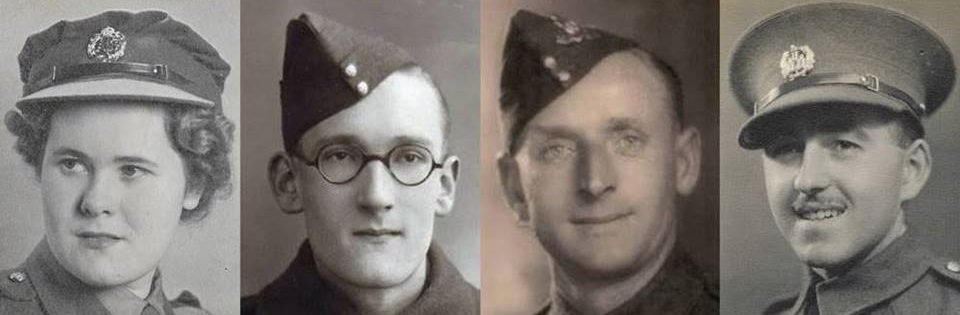
Requesting royal engineers service records involves a clear process to ensure records are released responsibly. For deceased soldiers, applicants must submit proof of death, such as a death certificate, and confirm their familial connection. The GOV.UK website provides application forms and guidance for accessing post-1920 records, ensuring that researchers follow proper procedures while obtaining accurate information.
Living veterans can also request their own service records directly from the Ministry of Defence. Providing personal identification and service details ensures timely access to the correct records. Researchers are advised to cross-check multiple sources, including free online databases, archives, and museum collections, to gain the most complete picture of a soldier’s service and career in the Royal Engineers.
Exploring Other Royal Engineers Service Records Resources
In addition to official service records, the Royal Engineers Museum offers extensive resources for research. Collections include personal diaries, photographs, medal records, and unit histories, all of which can supplement official records. Many items are accessible online, allowing researchers to explore the stories of soldiers without visiting the museum physically. These collections provide valuable context for understanding military service in WW1, WW2, and post-1920 periods.
Casualty cards and tracer records provide further insights into royal engineers service records. Over 17,000 records are available through platforms such as Findmypast, offering details of injuries, postings, and outcomes for individual soldiers. Combined with war diaries and journals, these resources allow researchers to construct a comprehensive understanding of the Royal Engineers’ role in historical conflicts, making them indispensable for both academic and personal research.
Common Challenges When Accessing Royal Engineers Service Records
Some royal engineers service records may be incomplete, missing, or damaged due to wartime conditions, fires, or archival limitations. Privacy restrictions can also prevent access to recent records, particularly for post-1920 service personnel. Researchers are encouraged to use alternative resources, including newspaper archives, medal rolls, and regimental associations, to supplement gaps and verify details of service history in the UK.
Persistence and careful cross-referencing are key when working with royal engineers service records. By consulting multiple sources, including free online databases and museum archives, researchers can piece together fragmented records to create a fuller picture of a soldier’s career. These records are essential for anyone seeking to preserve historical memory and explore the contribution of the Royal Engineers in British military history.
Conclusion
Royal engineers service records are critical resources for family historians, researchers, and anyone interested in British military history. They provide detailed personal and operational information about soldiers who served in key conflicts, including WW1, WW2, and post-1920. By combining Ministry of Defence records, National Archives holdings, and free online resources, researchers can access a wealth of information, preserving the legacy of those who served.
Accessing royal engineers service records requires patience, careful research, and often multiple sources. By exploring museums, online databases, and official archives, it is possible to gain a complete understanding of a soldier’s life and contributions. These records not only tell personal stories but also highlight the vital role of the Royal Engineers in shaping the history of the British Army and the UK.