
The question of what is wrong with the passion translation has become increasingly common among Christians, students of theology, and general readers of the Bible. As modern Bible versions continue to emerge, The Passion Translation has sparked both curiosity and concern due to its distinctive style and interpretive approach to Scripture.


At the heart of the discussion is a deeper issue about how Scripture should be communicated in contemporary English. While some readers appreciate its emotional tone and accessible language, others argue that it moves too far from the original texts. This tension makes what is wrong with the passion translation an important topic for anyone seeking clarity and accuracy in biblical understanding.
Origins and Purpose of The Passion Translation
The Passion Translation was produced by Brian Simmons and introduced as a fresh, expressive rendering of the Bible designed to convey emotional intensity and spiritual depth. It claims to draw from Hebrew, Greek, and Aramaic manuscripts, with the intention of making Scripture feel more vivid and personally engaging for modern readers.
However, when exploring what is wrong with the passion translation, its origin becomes a central concern. Unlike traditional Bible translations created by large teams of scholars and linguists, this version was largely developed by a single individual. This raises questions about scholarly oversight, consistency, and the potential influence of personal interpretation on the biblical text.
Translation or Paraphrase: The Core Controversy
One of the most debated aspects of what is wrong with the passion translation is whether it should even be classified as a translation. Many biblical scholars argue that it functions more as a paraphrase because it frequently expands upon the original text with interpretive language that is not directly found in ancient manuscripts.
This distinction is significant because a translation aims to remain as faithful as possible to the original wording and structure, while a paraphrase prioritises readability and emotional expression. Critics argue that in attempting to enhance meaning, The Passion Translation sometimes introduces theological interpretation that may alter the intended message of Scripture, making what is wrong with the passion translation a serious academic concern.
Major Scholarly Criticisms and Concerns
A major issue frequently raised in discussions about what is wrong with the passion translation is the addition of extra wording and expanded phrases not found in the original Hebrew or Greek texts. Critics suggest that such additions can subtly shift meaning and lead readers toward interpretations that differ from more literal translations of the Bible.
Another significant concern involves the lack of extensive peer review. Most widely accepted Bible translations are produced by teams of experts who cross-check linguistic accuracy and theological consistency. In contrast, The Passion Translation was primarily created by one translator, which raises concerns about accountability. This is often highlighted when examining what is wrong with the passion translation in scholarly debates.
There are also questions about the use of source materials. While the translation claims to incorporate Aramaic insights, many scholars emphasise that the New Testament was originally written in Greek. This discrepancy contributes further to discussions about reliability and accuracy, especially when assessing what is wrong with the passion translation from an academic perspective.
Differences in Biblical Meaning and Interpretation
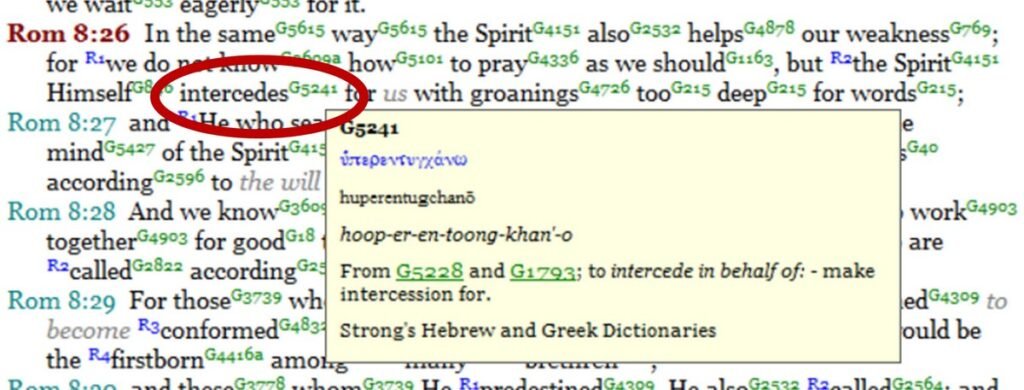
When comparing The Passion Translation with more traditional versions such as the NIV, ESV, or KJV, noticeable differences in wording and tone can be observed. These differences often involve expanded emotional expressions or interpretive additions that go beyond the original text’s literal meaning.
For many critics, this is a key reason behind what is wrong with the passion translation, as even small changes in wording can influence theological understanding. While supporters argue that these changes make Scripture more relatable and spiritually engaging, others believe they risk altering doctrinal clarity and consistency across biblical interpretation.
Reception Among Scholars, Churches, and Readers
Reactions to The Passion Translation are mixed, with some Christian communities embracing it for devotional reading while others strongly reject it for study or teaching purposes. Scholars in particular tend to express caution, arguing that it lacks the methodological rigour expected of a formal Bible translation.
Despite these concerns, many readers find value in its poetic and emotional style, which they believe helps them connect more deeply with Scripture. This contrast between scholarly criticism and popular appeal is central to understanding what is wrong with the passion translation and why it continues to generate debate across different Christian traditions.
Should It Be Used for Study or Devotion?
The question of whether The Passion Translation should be used for serious Bible study often arises in discussions about what is wrong with the passion translation. Many theologians recommend that it not be used as a primary study Bible due to concerns about accuracy, interpretive expansion, and lack of scholarly consensus.
However, some readers use it as a supplementary devotional tool alongside more literal translations. This approach allows them to enjoy its expressive language while still relying on more established versions for doctrinal study. Ultimately, discernment and comparison remain essential when engaging with any Bible translation.
Conclusion: A Balanced Perspective on the Debate
In conclusion, what is wrong with the passion translation depends largely on how one defines the purpose of a Bible translation. Critics highlight concerns about added wording, limited scholarly oversight, and interpretive bias, while supporters value its accessibility and emotional depth.
Understanding what is wrong with the passion translation helps readers make informed decisions about how they engage with Scripture. While it may serve as a devotional aid for some, most scholars encourage comparing it with trusted translations to ensure a balanced and accurate understanding of the biblical text.