badly fitted dry verge: causes, fixes, pros and cons for uk roofs

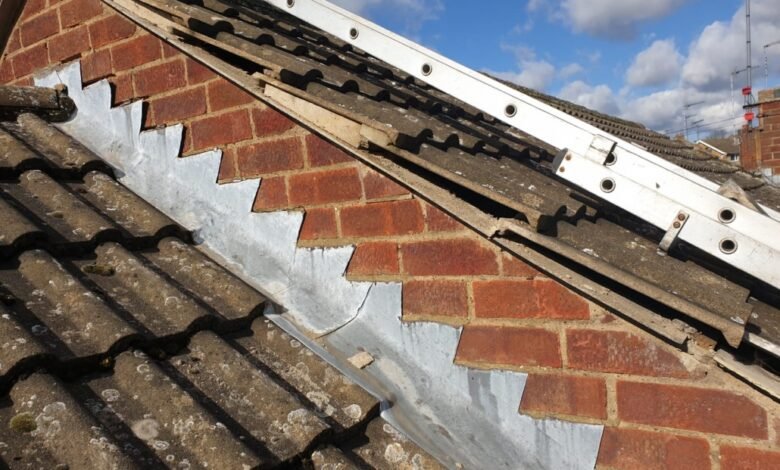
A badly fitted dry verge can cause serious issues for any roof, from water leaks to structural damage. Roofs with poorly installed dry verge units often show gaps, loose sections, or rattling parts that compromise both durability and aesthetic appeal. In the UK, where wind and rain are frequent, a badly fitted dry verge can quickly lead to costly repairs if left unchecked.


Homeowners may not realise the severity of a badly fitted dry verge until they see damage inside the property, such as damp patches or water stains. Early detection and correction are essential for maintaining the roof’s structural integrity. Understanding the causes, identifying signs, and knowing how to fix a badly fitted dry verge can save time, money, and long-term stress.
what is a dry verge and why proper installation matters
A dry verge is a modern roofing system designed to finish the edge of a tiled roof without the use of mortar. Unlike traditional mortar verges, dry verge systems mechanically secure the roof edges, preventing tiles from slipping and protecting the property from water ingress. Proper installation is critical to ensure the system performs its intended function and maintains a neat appearance.
In the UK, extreme weather conditions such as strong winds and heavy rain make correct fitting even more important. A badly fitted dry verge increases the risk of tiles lifting, gaps forming, or water leaking beneath the roof covering. Proper installation involves aligning the units accurately, using the correct fasteners, and ensuring battens extend the right distance beyond the gable for support and stability.
signs of a badly fitted dry verge
Identifying a badly fitted dry verge early can prevent minor issues from becoming significant problems. One common sign is visible gaps between the dry verge units and the barge board, which indicate poor alignment or missing fixings. Loose or rattling units are also a clear warning, as they suggest nails or screws have not penetrated the battens securely.
Other signs include snapped pieces during or shortly after installation, water ingress inside the property, and visible movement of the roof edge in strong winds. Homeowners may also notice uneven lines along the verge or sections that appear lifted, which often occur due to improper fixing over old mortar. Recognising these indicators early allows timely repairs to maintain roof safety and functionality.
common causes of badly fitted dry verge
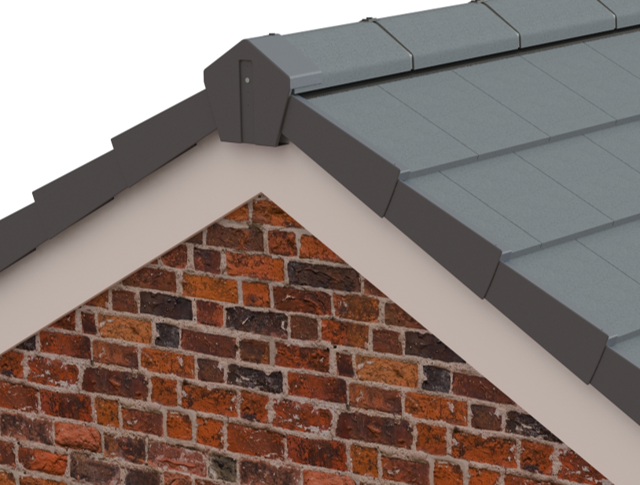
A badly fitted dry verge is usually the result of poor installation practices. Installing units directly over old mortar rather than clean battens is a frequent cause of gaps and misalignment. Using insufficient nails or relying solely on screws of the wrong size also contributes to units becoming loose, especially in high winds.
Other common causes include inexperienced or “cowboy” installers who fail to follow British Standards BS 8612, incorrect batten lengths that do not provide adequate overhang, and substandard or incompatible materials. Environmental factors such as heavy rain, frost, or gusty winds can worsen an already poorly installed verge, making proper fitting essential for long-term durability.
how to fix a badly fitted dry verge
Fixing a badly fitted dry verge begins with a thorough inspection to identify loose, damaged, or misaligned units. Old mortar should be fully removed, allowing the dry verge to sit flush against the roof battens. Checking that battens extend 25–30mm beyond the gable wall is critical to ensure proper support and prevent movement.
Refitting units with screws rather than nails provides a more secure attachment, reducing the likelihood of displacement in strong winds. Ensuring correct alignment along the roof edge, using starter units at the eaves, and interlocking sections along the verge improves overall stability. In some cases, hiring a professional roofer is the safest option, particularly for high or complex roofs.
pros and cons of dry verge systems
Dry verge systems have numerous advantages over traditional mortar verges. They require minimal maintenance, offer long-lasting protection, and provide a clean, modern finish to the roof edge. When installed correctly, a dry verge reduces the risk of cracking and water ingress, which is particularly important for UK roofs exposed to wind and rain.
However, a badly fitted dry verge highlights some potential drawbacks. Poor installation can result in gaps, rattling units, water leaks, and even units detaching entirely from the roof. The initial cost of a dry verge system is typically higher than simple mortar, and achieving long-term benefits depends heavily on correct installation and the use of high-quality materials.
preventing future problems with badly fitted dry verge
Regular roof inspections are essential to prevent issues with a badly fitted dry verge. Checking for loose units, broken pieces, and gaps helps catch problems before they worsen. Hiring experienced contractors who understand British Standards BS 8612 ensures a proper installation that can withstand UK weather conditions.
Seasonal maintenance is also important, particularly before stormy or wet months. Minor adjustments and timely repairs to a dry verge system can prevent significant damage, extending the roof’s life. Homeowners should also use high-quality materials and ensure battens are correctly aligned to avoid recurring problems associated with badly fitted dry verge.
conclusion
A badly fitted dry verge can significantly compromise a roof’s safety, durability, and appearance. Identifying the signs, understanding the causes, and applying the correct fixes are essential steps for homeowners in the UK. Using high-quality materials, professional installation, and regular inspections ensures the roof edge remains secure, water-resistant, and visually appealing for many years.
faqs
What is a dry verge and why is it used?
A dry verge mechanically finishes the edge of a tiled roof without mortar, preventing water ingress and securing tiles in place.
How can I tell if my dry verge is badly fitted?
Look for gaps, loose or rattling units, broken pieces, and water damage inside the property.
Can I fix a badly fitted dry verge myself?
Minor issues can be addressed using screws and proper alignment, but professional help is recommended for safety and complex roofs.
How much does it cost to replace or fix a dry verge in the UK?
Costs vary depending on roof size and complexity, generally ranging from £150–£500 for repairs or replacement.
Are there risks of leaving a badly fitted dry verge unrepaired?
Yes, risks include water ingress, structural damage, and units lifting or falling during high winds.
What materials are best for a dry verge system?
High-quality PVC, recycled plastics, or durable tiles are recommended for weather resistance and longevity.
How long does a properly fitted dry verge last?
A correctly installed dry verge can last 25–30 years with minimal maintenance, offering reliable protection for the roof edge.
Can high winds damage a dry verge?
Yes, a poorly fixed dry verge is vulnerable to being lifted or displaced in strong winds, which can cause leaks or structural damage.