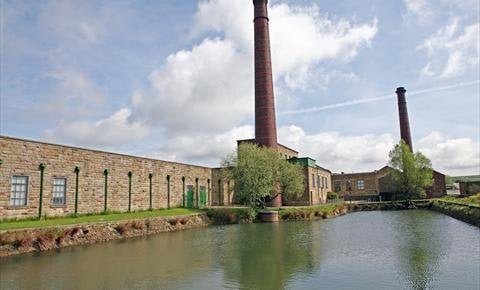
Queen Street Mill Burnley is a unique landmark in the heart of Lancashire, offering visitors an extraordinary glimpse into Britain’s industrial past. This mill is the last surviving steam-powered weaving mill in the world, preserving the authentic machinery and looms from the 19th century. Visitors can experience the sights and sounds of historic textile production, making it a must-visit destination for history enthusiasts and tourists in the UK.


Walking through Queen Street Mill Burnley feels like stepping back in time. The preserved steam engines, original looms, and Grade I listed architecture create a living museum. The combination of historical authenticity and interactive exhibits allows visitors to explore the daily lives of workers who powered Lancashire’s textile industry. Families, students, and industrial history lovers alike find the experience educational and memorable.
History of Queen Street Mill Burnley
Queen Street Mill Burnley was established in 1894 by the Queen Street Manufacturing Company in Harle Syke, a suburb of Burnley. Designed to house hundreds of looms, the mill utilised steam power to drive its machinery, representing a peak moment in Lancashire’s cotton industry. Its construction reflected both industrial innovation and the wealth generated by textile manufacturing during the Victorian era.
The mill’s history is a testament to Lancashire’s importance in the global cotton trade. Unlike many other mills that closed during the 20th century, Queen Street Mill Burnley continued to operate, making it the last working example of a steam-powered weaving shed. Its preservation allows modern visitors to appreciate the engineering, craftsmanship, and cultural heritage of Britain’s industrial revolution.
Visiting Queen Street Mill Burnley Today
Visitors to Queen Street Mill Burnley can explore a fully operational museum where history comes alive. The looms and steam engines are maintained in working condition, offering demonstrations that illustrate traditional weaving techniques. Staff and volunteers provide guided tours, sharing fascinating stories about mill life and the industrial era, making the experience educational and immersive.
The mill also features a café and a gift shop, where visitors can enjoy refreshments and purchase souvenirs. Queen Street Mill Burnley opening times generally run from April to November, with winter openings on select days for the café. Accessibility is a priority, ensuring that families, elderly visitors, and those with disabilities can enjoy the rich history of the mill.
Filming at Queen Street Mill Burnley
Queen Street Mill Burnley has become a sought-after location for filming due to its authentic 19th-century interiors and operational machinery. Documentaries, historical programmes, and promotional videos often capture the mill’s steam-powered looms in action, showcasing a working piece of industrial heritage. Filming at the mill allows audiences to connect with the past visually and educationally.
Permission for filming at Queen Street Mill Burnley is required, and productions are guided to ensure preservation of the historic site. The use of the mill in media has helped raise public awareness and increased tourism, drawing visitors who want to experience firsthand the last working steam-powered weaving mill in the UK.
Queen Street Mill Burnley Closure and Renovations
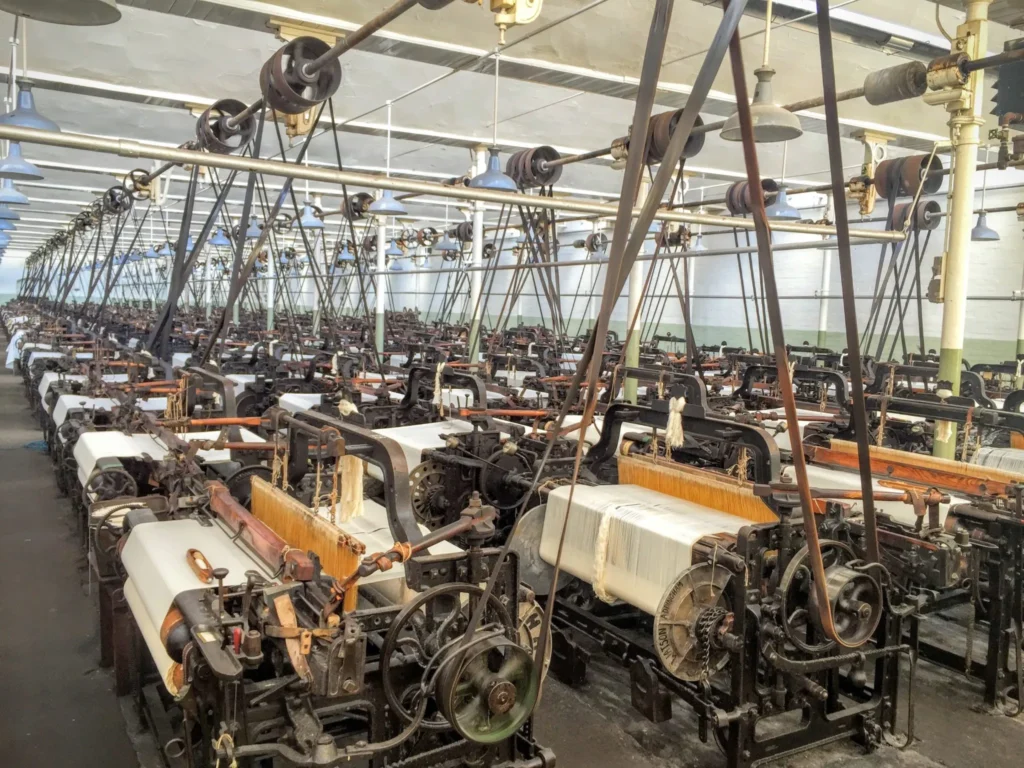
At times, Queen Street Mill Burnley closes temporarily for maintenance and preservation work. These closures are essential to maintain the operational steam engines, looms, and historic structure. Visitors are advised to check the official website or local notices for updates on closures to avoid disappointment during planned visits.
Renovation projects have focused on both conservation and visitor experience. Queen Street Mill Burnley has received careful restoration to maintain its historic integrity while improving facilities such as pathways, signage, and interactive exhibits. These efforts ensure the mill remains accessible, safe, and educational for future generations of visitors.
Queen Street Mill Burnley in the UK Context
Queen Street Mill Burnley holds a unique position in the UK as the last fully operational steam-powered weaving mill. While other textile museums preserve machinery or buildings, this mill allows visitors to witness live textile production as it was in the 19th century. Its authenticity makes it a standout attraction in Lancashire and beyond.
The mill represents more than industrial history; it embodies the cultural and economic heritage of the UK. Queen Street Mill Burnley continues to educate, inspire, and attract visitors from across Britain and internationally. Its preservation highlights the ingenuity, resilience, and dedication of the workers who shaped Burnley’s textile industry.
Tips for Visiting Queen Street Mill Burnley
For the best experience, visitors should allow at least two to three hours to explore Queen Street Mill Burnley fully. Guided tours provide insight into machinery and mill history, while interactive exhibits allow for hands-on learning. Photography is encouraged, capturing the iconic steam engines in motion.
Checking Queen Street Mill Burnley opening times before visiting is recommended, particularly during off-season or winter. Combining a visit to the mill with other nearby attractions in Burnley, such as walking trails, historic sites, and local museums, can create a full day of exploration and learning in Lancashire.
Conclusion
Queen Street Mill Burnley is a remarkable destination that combines history, education, and tourism. As the last surviving steam-powered weaving mill in the world, it preserves not only the machinery and architecture of the past but also the stories of the people who worked there. Visiting the mill is an immersive experience that highlights the UK’s industrial heritage in a memorable and engaging way.
FAQs
Where is Queen Street Mill Burnley located?
Queen Street Mill Burnley is situated in Harle Syke, a suburb of Burnley, Lancashire, offering easy access for visitors across the UK.
What are the opening times for Queen Street Mill Burnley?
The mill is generally open from April to November, with the café accessible on selected winter days. Checking the website for updates is recommended.
Is filming allowed at Queen Street Mill Burnley?
Yes, filming at Queen Street Mill Burnley is permitted with prior permission from the museum authorities, and guidelines ensure preservation.
When was Queen Street Mill Burnley closed for renovations?
Temporary closures occur periodically for maintenance and restoration, with announcements provided on the official website.
What makes Queen Street Mill Burnley unique in the UK?
It is the last operational steam-powered weaving mill in the world, offering visitors a rare insight into historic textile production.
Are guided tours available at Queen Street Mill Burnley?
Yes, guided tours provide detailed information on machinery, mill history, and life during the industrial era.
Is Queen Street Mill Burnley suitable for families and children?
Absolutely, the museum is family-friendly, with interactive demonstrations and facilities accessible to all ages.
How much does it cost to visit Queen Street Mill Burnley?
Entry fees are modest for the museum, while the café and amenities remain free to enjoy.