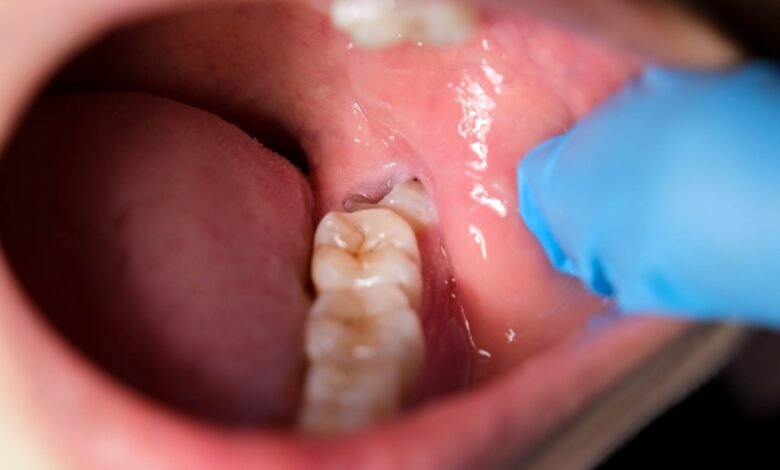
Pericoronitis is a gum infection that develops around partially erupted wisdom teeth, often causing swelling, pain, and difficulty opening the mouth. Many people fear the worst and ask, can pericoronitis kill you. While fatal outcomes are rare, untreated infections can spread to critical areas such as the neck, throat, and bloodstream, making timely intervention essential to prevent severe complications.


Understanding pericoronitis begins with recognising the early warning signs and causes. Food debris trapped under the gum flap covering a wisdom tooth provides a breeding ground for bacteria. Mild discomfort can escalate quickly if left untreated, which is why patients frequently ask, can pericoronitis kill you, as awareness of the risks ensures prompt professional care.
What Is Pericoronitis?
Pericoronitis occurs when the gum tissue surrounding a partially erupted wisdom tooth becomes inflamed and infected. Poor oral hygiene, trapped food particles, and bacteria are the main contributors. Most cases are minor and respond well to professional treatment, but awareness of the condition is important to prevent serious complications that raise the question, can pericoronitis kill you.
Symptoms of pericoronitis include tenderness, redness, swelling, and pus formation around the gum flap. Acute pericoronitis appears suddenly and can be extremely painful, while chronic cases may produce intermittent discomfort. Recognising these symptoms early allows patients to seek dental care before the infection spreads, minimising the risk of life-threatening outcomes.
Can Pericoronitis Be Fatal?
Although uncommon, severe pericoronitis can become life-threatening if the infection spreads beyond the gum tissue. In rare cases, bacteria may invade the floor of the mouth and neck, leading to a condition called Ludwig’s angina. This is a rapidly progressing infection that can block the airway, which is why many wonder, can pericoronitis kill you if left untreated.
Systemic infection or sepsis is another possible complication. When bacteria enter the bloodstream, they can affect vital organs, causing fever, fatigue, and rapid deterioration. While most pericoronitis cases remain manageable, recognising the potential for severe outcomes emphasises the need for early dental intervention and monitoring, reducing the risk of serious illness.
Symptoms That Indicate a Severe Infection
Not all pericoronitis cases are life-threatening, but certain warning signs indicate that the infection may be spreading. Severe swelling in the jaw or neck, difficulty swallowing, high fever, and extreme pain are critical symptoms. Individuals often search “can pericoronitis kill you” when they notice these alarming signs, as they require immediate medical attention.
Other severe symptoms include stiff jaw muscles, difficulty breathing, and spreading facial swelling. These signs suggest that the infection is no longer contained to the gum area and may impact the airway or bloodstream. Recognising these symptoms promptly ensures patients receive urgent care before the condition escalates into a potentially fatal situation.
Diagnosis and Medical Treatment

Dentists diagnose pericoronitis through a thorough oral examination and, in some cases, imaging to assess the extent of infection. Early detection is essential, especially for patients concerned about whether pericoronitis can become fatal. Timely treatment prevents minor infections from escalating, offering reassurance to those asking, can pericoronitis kill you.
Treatment typically involves professional cleaning of the affected area, antibiotics to combat infection, and pain management. In recurrent or severe cases, extraction of the wisdom tooth may be necessary to prevent further complications. Home remedies like saltwater rinses can provide temporary relief, but they cannot replace professional intervention when serious infection is present.
Prevention and Ongoing Oral Care
Preventing pericoronitis focuses on maintaining good oral hygiene, including brushing, flossing, and regular dental check-ups. Keeping the gum and wisdom teeth clean prevents bacterial build-up, which is the main cause of infection. Preventive measures reduce the risk of complications and address concerns for those asking, can pericoronitis kill you.
Lifestyle adjustments, such as avoiding sugary foods and attending routine dental appointments, are crucial for long-term oral health. Monitoring wisdom teeth for signs of infection allows for early intervention, which is the most effective way to avoid severe cases. Preventive care not only maintains a healthy mouth but also reduces anxiety about potential life-threatening outcomes.
Reddit Insights: What People Are Saying
Many people turn to Reddit for real-life experiences with pericoronitis. Users often ask, can pericoronitis kill you, when swelling, pain, or difficulty swallowing occurs. Reddit discussions provide insight into common concerns, remedies that worked, and mistakes to avoid, offering a community perspective on managing the condition safely.
Reddit posts highlight the importance of professional dental care and early intervention. While home remedies like saltwater rinses and painkillers provide temporary relief, users consistently emphasise that severe cases require antibiotics or surgery. These shared experiences reinforce that while pericoronitis is usually manageable, recognising warning signs is vital to prevent serious complications.
Conclusion
Pericoronitis is a common condition that is usually manageable with timely dental care, but severe cases can become dangerous if ignored. Understanding symptoms, risks, and treatment options helps answer the question, can pericoronitis kill you, while highlighting the importance of early intervention. Most patients recover fully when professional treatment is sought promptly.
Awareness of warning signs, preventive oral hygiene, and prompt dental intervention make fatal outcomes extremely rare. By recognising the seriousness of severe pericoronitis and taking action, patients can maintain oral health and reduce the risk of life-threatening complications, ensuring peace of mind.