The question is pir insulation banned in the UK has become increasingly important among builders, homeowners, and developers as fire safety rules continue to evolve. PIR insulation is widely used across the construction industry due to its strong thermal performance, but ongoing changes in building regulations have created confusion about whether it is still permitted or restricted in modern projects.

Understanding is pir insulation banned requires looking beyond a simple yes or no answer. In reality, PIR insulation is not fully banned in the UK, but its usage is carefully controlled in specific building types. These controls mainly relate to fire safety concerns, particularly in multi-storey buildings and external wall systems where stricter compliance standards now apply.
What is PIR insulation and why it is widely used
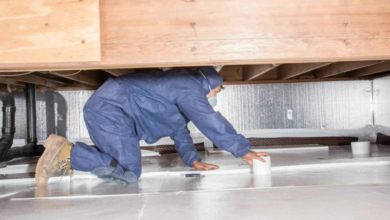
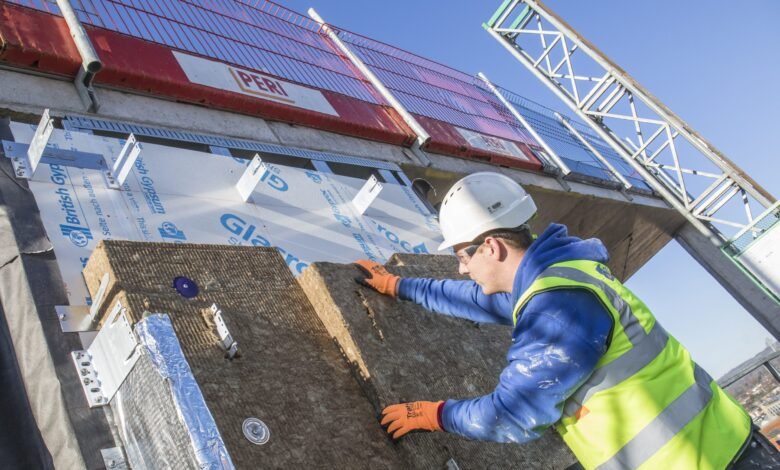
PIR insulation, or polyisocyanurate insulation, is a rigid foam board designed to provide high thermal efficiency in buildings. It is commonly used in roofs, floors, and cavity walls because it delivers excellent insulation performance while maintaining a relatively thin profile. Its energy-saving benefits make it a popular choice in both residential and commercial construction projects.
When discussing is pir insulation banned, it is important to understand its role in modern construction. Builders often prefer PIR insulation because it is cost-effective, easy to install, and highly efficient compared to older insulation materials. However, its fire performance characteristics mean it must be carefully considered in relation to updated UK building regulations.
Is PIR insulation banned in the UK or still legal
The direct answer to is pir insulation banned in the UK is no, it is not fully banned. PIR insulation remains legal and widely available for use in many types of buildings, particularly low-rise residential properties where fire risk is lower and compliance requirements are more straightforward.
However, confusion around is pir insulation banned arises because certain restrictions apply in specific construction scenarios. While it is not prohibited outright, PIR insulation may not be suitable for high-rise buildings or external wall systems unless it forms part of a tested fire-safe system. This has led many to mistakenly assume it is completely banned.
Fire safety regulations affecting PIR insulation in 2026
Fire safety regulations in the UK have become significantly stricter in recent years, particularly following reforms to Approved Document B. These changes focus on reducing the use of combustible materials in external wall systems of residential buildings, especially those above certain height thresholds. This is where discussions around is pir insulation banned often become relevant.
Although PIR insulation is not banned, it is classified as a combustible material under fire safety testing standards. Because of this classification, its use is restricted in higher-risk environments unless strict design and testing requirements are met. These regulations aim to improve safety and reduce fire spread risks in modern buildings.
Height restrictions and building classification rules
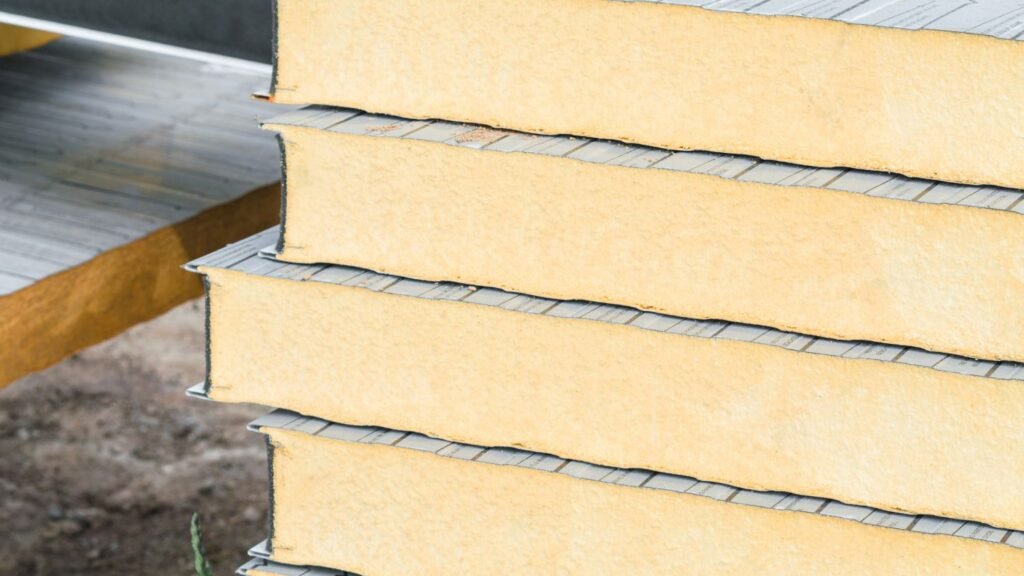
One of the key reasons people search is pir insulation banned is due to building height restrictions introduced in the UK. Regulations now place stricter limits on combustible materials in buildings above certain heights, particularly residential blocks. In these cases, only non-combustible insulation materials are often permitted in external wall systems.
For buildings above these height thresholds, PIR insulation may still be used internally in some cases, but external applications are heavily controlled. This means that is pir insulation banned depends entirely on where the material is being used and the type of building involved. It is a matter of compliance rather than outright prohibition.
Where PIR insulation is restricted or limited
PIR insulation is mainly restricted in high-rise residential buildings, commercial towers, and structures with strict fire safety requirements. In these environments, building control officers often require non-combustible insulation materials to ensure compliance with fire performance standards and reduce the risk of rapid fire spread through wall systems.
The debate around is pir insulation banned also extends to façade systems and external cladding designs. In these applications, PIR insulation may only be used if it is part of a fully tested system that meets fire safety regulations. Otherwise, alternative materials are often required to achieve compliance approval.
Fire performance and classification of PIR insulation
To fully understand is pir insulation banned, it is essential to consider its fire classification. PIR insulation typically falls into a lower fire resistance category compared to materials like mineral wool. While it contains fire-retardant additives, it is still considered combustible under Euroclass standards, which influences where it can be safely used.
This classification does not make PIR unsafe for all applications, but it does mean restrictions apply in certain environments. As a result, is pir insulation banned is often misunderstood. The material is still acceptable in many standard building projects, but its use must align with strict fire safety design principles and regulatory requirements.
Alternatives to PIR insulation in restricted applications
Due to regulatory limitations, many builders are turning to alternative insulation materials in high-risk projects. Mineral wool is one of the most widely used alternatives, offering excellent fire resistance and sound insulation properties. It is commonly used in high-rise buildings where non-combustible materials are required.
Other alternatives include phenolic foam boards and other high-performance insulation systems. These materials help address concerns behind is pir insulation banned by offering improved fire safety performance. While PIR remains popular for general construction, alternatives are often preferred in projects where compliance is more complex.
Industry concerns and ongoing debate
The construction industry continues to debate the role of PIR insulation in modern building design. Some industry groups have called for tighter restrictions in specific applications, particularly where fire safety risks are higher. This has contributed to the ongoing discussion around is pir insulation banned and whether further regulation may be introduced in the future.
Despite these concerns, PIR insulation remains widely used due to its performance benefits. However, the industry increasingly recognises that material selection must balance energy efficiency with fire safety. This balance is central to understanding why is pir insulation banned remains a trending search topic.
Future outlook for PIR insulation in the UK
Looking ahead, it is unlikely that PIR insulation will be completely banned in the UK. Instead, regulations are expected to continue focusing on controlled use in specific building types. Fire safety standards will likely become even stricter, particularly in high-rise residential developments and complex façade systems.
The future of is pir insulation banned will therefore depend on evolving building regulations rather than a full prohibition. PIR insulation will continue to be used in suitable applications, but its role in high-risk environments may become increasingly limited as safer alternatives gain popularity.
Conclusion on is pir insulation banned in the UK
In conclusion, is pir insulation banned is a misleading question because the material is not fully prohibited in the UK. It remains widely used in construction, especially in low-rise buildings where fire safety requirements are easier to meet and comply with under current regulations.
However, is pir insulation banned continues to trend because its use is restricted in certain high-rise and high-risk applications. Understanding these rules is essential for builders and developers to ensure compliance, safety, and proper material selection in line with UK building regulations.