Hixon Rail Crash 1968: The Tragic Staffordshire Level Crossing Disaster

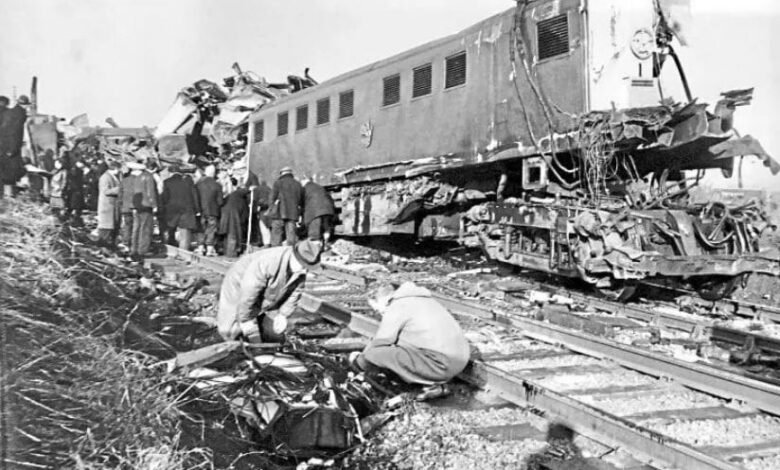
The Hixon rail crash 1968 is remembered as one of the most devastating railway accidents in British history. On 6 January 1968, a British Rail express train collided with a low-loader transporter carrying a massive 120-ton electrical transformer at a level crossing in Hixon, Staffordshire. The crash resulted in the deaths of eleven people and left more than forty injured. This disaster highlighted the dangers of level crossings and human error, leaving a lasting mark on UK railway safety practices.


The incident remains a poignant example of how lapses in communication and inadequate warning systems can lead to tragedy. The Hixon rail crash 1968 shocked communities nationwide and prompted urgent reviews of railway operations. Today, it is studied as a critical case in railway safety, demonstrating the importance of strict compliance with crossing rules and the impact of mechanical and human factors combined.
Hixon Rail Crash 1968 Background and Railway Context
Hixon, a small village in Staffordshire, was located along the busy West Coast Main Line, an essential railway route connecting northern and southern England. The level crossing where the Hixon rail crash 1968 occurred was fitted with newly installed automatic barriers, a relatively recent safety measure at the time. Despite these improvements, the crossing relied heavily on drivers’ attention and adherence to railway notices.
The transporter involved was unusually large and heavy, transporting a 120-ton electrical transformer for a power station project. Its size made crossing the railway line complex and slow. The combination of the transporter’s size, limited signalling, and a high-speed express train created a hazardous situation that tragically resulted in the Hixon rail crash 1968. The incident revealed gaps in safety procedures for large vehicles navigating level crossings.
The Day of the Hixon Rail Crash 1968
On the morning of 6 January 1968, the low-loader transporter began its slow journey across the Hixon level crossing. The Manchester to Euston express train approached at high speed, with little warning that the massive vehicle would be on the tracks. Eyewitnesses reported seeing warning lights flash as the transporter became stuck, but the train could not stop in time. The collision caused catastrophic damage to both the train and the transporter.
The Hixon rail crash 1968 was sudden and shocking, leaving a scene of chaos and destruction. Emergency services arrived quickly, but the scale of the disaster was apparent immediately. The accident not only caused fatalities and injuries but also profoundly affected the local community. Residents and railway workers were left traumatized, and the event was widely reported across national media, drawing attention to the urgent need for level crossing reforms.
Victims of the Hixon Rail Crash 1968
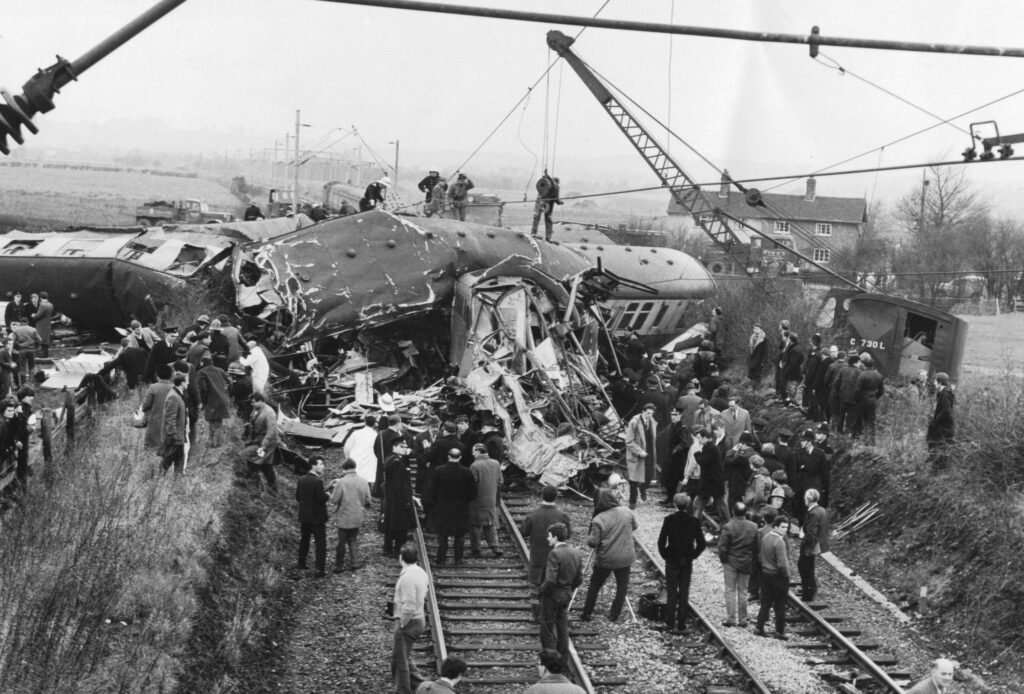
Eleven people tragically lost their lives in the Hixon rail crash 1968, including the train driver, a second crew member, and eight passengers. More than forty people were injured, some severely. Families and friends of the victims were left devastated, and the event had a lasting emotional impact on the small Hixon community. The human cost of the accident was profound, reminding the nation of the dangers of railway crossings.
Survivors and families of the victims faced long recoveries, both physically and emotionally. The Hixon rail crash 1968 prompted national reflection on railway safety and the importance of compliance with level crossing regulations. Memorials and commemorations in Hixon today continue to honour those who lost their lives, ensuring that the tragedy is not forgotten. The victims’ stories remain central to understanding the incident’s significance.
Investigation and Official Report of Hixon Rail Crash 1968
A public inquiry followed the Hixon rail crash 1968, aiming to determine the causes of the disaster and prevent future accidents. The official report concluded that the transporter driver failed to comply with railway notices and warnings. Additional factors included the vehicle becoming grounded on the crossing and limited safety systems at the site. These combined factors created a situation that made the collision almost inevitable.
The Hixon rail crash 1968 report led to nationwide recommendations for improving level crossing safety. Authorities emphasised stricter enforcement of driver compliance, better warning signals, and barrier design improvements. The findings underscored the importance of addressing both human error and mechanical limitations in railway safety. Lessons from the Hixon rail crash 1968 remain influential in modern railway operations and transport planning.
Legacy and Safety Improvements after the Hixon Rail Crash 1968
The Hixon rail crash 1968 had a long-lasting impact on UK railway safety. Level crossings were reassessed, and safety standards were strengthened to prevent similar incidents. Automatic barriers, improved signalling, and stricter rules for transporting oversized vehicles became widespread. The disaster served as a key example in railway safety training and accident prevention strategies across Britain.
Hixon’s community continues to remember the crash and its victims through memorials and historical records. The legacy of the Hixon rail crash 1968 highlights the consequences of human error and inadequate safety measures. Its lessons remain crucial for both transport authorities and the public, ensuring that such tragedies are never repeated. The incident’s influence on safety regulations continues to protect lives today.
Conclusion
The Hixon rail crash 1968 remains a stark reminder of the risks posed by level crossings and human oversight. Eleven lives were lost, and many more were injured, but the tragedy prompted crucial safety reforms across the UK railway network. Remembering the Hixon rail crash 1968 ensures that lessons from the past guide modern transport safety practices and prevent future disasters.