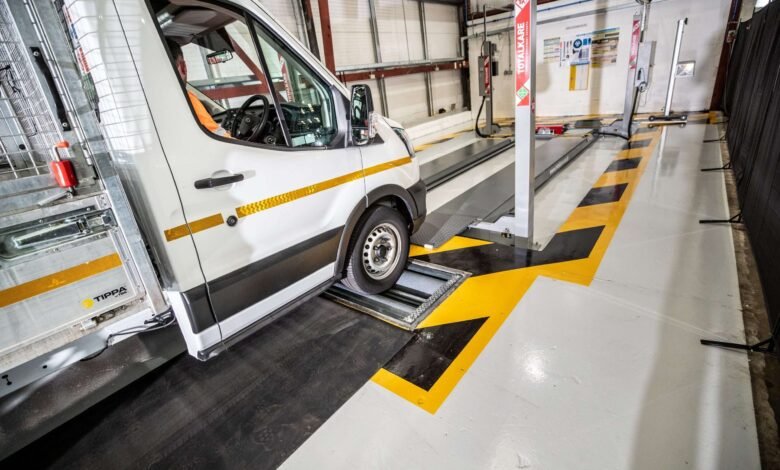
Understanding Class 7 MOT bay dimensions is essential for anyone planning, designing, or operating an MOT testing facility in the UK. These measurements are not arbitrary; they are carefully defined by the DVSA to ensure that heavier commercial vehicles can be inspected safely and efficiently. Without correct compliance, a garage cannot legally operate as a Class 7 MOT station.


The importance of Class 7 MOT bay dimensions goes beyond simple construction planning. It directly affects workflow, safety standards, and inspection accuracy. When garages follow the correct guidelines, they reduce operational risks and ensure smooth vehicle movement throughout the testing process. This makes compliance a key factor in long-term business success.
What is a Class 7 MOT Bay
A Class 7 MOT bay is specifically designed for commercial vehicles weighing between 3,000kg and 3,500kg gross weight. These include larger vans and light goods vehicles that require significantly more space than standard testing bays. The Class 7 MOT bay dimensions ensure that these vehicles can be safely accommodated during inspections without restrictions.
In practical terms, Class 7 MOT bay dimensions define the minimum space required for vehicle entry, inspection, and exit. These standards help maintain consistency across all authorised testing centres in the UK. By following these rules, garages can ensure they meet DVSA expectations and maintain their MOT testing approval without complications or delays.
DVSA Requirements for Class 7 MOT Bays
The DVSA plays a central role in regulating Class 7 MOT bay dimensions across the United Kingdom. Their guidelines ensure that all testing stations meet strict safety, structural, and operational standards. These requirements are designed to protect technicians, vehicles, and the public by maintaining uniform testing environments.
When planning a facility, it is important to understand that Class 7 MOT bay dimensions must align with DVSA specifications. These include not only the overall size of the bay but also clearance heights, doorway widths, and internal layout design. Compliance ensures that garages remain legally authorised to conduct MOT testing without risk of suspension.
Standard Class 7 MOT Bay Dimensions
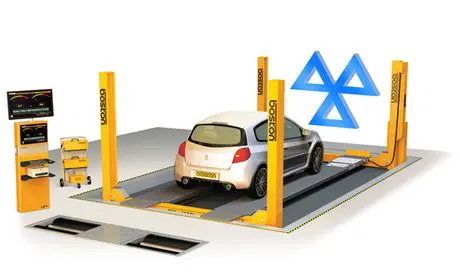
The standard Class 7 MOT bay dimensions typically require a minimum length of around 14 metres and a width of approximately 4.2 metres. These measurements provide enough space for safe vehicle movement and accurate inspection procedures. Headroom is also a critical factor, usually starting at 3.2 metres depending on equipment type.
In addition to overall size, Class 7 MOT bay dimensions also include strict entry and exit requirements. Vehicle access doors must be wide and tall enough to accommodate larger commercial vehicles. This ensures that testing can be carried out without structural limitations, reducing the risk of damage and improving operational efficiency.
Inspection Pits and Equipment Requirements
A key component of Class 7 MOT bay dimensions is the inspection pit system. The standard pit must be long enough, typically around 6 metres, to allow full access to the underside of larger vehicles. Width and depth requirements also ensure technicians can safely move around while conducting detailed inspections.
In modern garages, lifts are often used instead of traditional pits. However, Class 7 MOT bay dimensions must still be strictly followed to ensure adequate clearance and safety. Whether using a scissor lift or four-post lift, the layout must support stable vehicle positioning and allow unrestricted access to all inspection points.
Garage Layout and Operational Workflow
Designing an efficient garage layout depends heavily on accurate Class 7 MOT bay dimensions. Proper spacing allows vehicles to move smoothly through the testing process without delays or congestion. This improves productivity and ensures that technicians can carry out inspections in a safe and controlled environment.
Good workflow design also considers lighting, ventilation, and safety zones. When Class 7 MOT bay dimensions are correctly implemented, the entire facility becomes more efficient and easier to manage. This helps reduce downtime and ensures that MOT testing operations run consistently throughout the working day.
Compliance, Approval, and DVSA Inspections
Achieving DVSA approval requires strict adherence to Class 7 MOT bay dimensions. Inspectors evaluate every aspect of the facility, including layout, equipment positioning, and accessibility. If any part of the design fails to meet standards, approval may be delayed or refused until corrections are made.
Once approved, ongoing compliance is still required. Regular inspections ensure that Class 7 MOT bay dimensions remain consistent with current regulations. Any structural changes or equipment upgrades must continue to meet DVSA guidelines to avoid losing MOT testing authorisation in the future.
Class 7 MOT Bay Dimensions PDF and VOSA References
Many professionals search for Class 7 MOT bay dimensions PDF documents when planning garage construction. These files typically include detailed diagrams, technical measurements, and layout examples. They are useful tools for architects and engineers working on compliant MOT station designs.
Older references may still mention VOSA Class 7 MOT bay dimensions, which can cause confusion. VOSA was replaced by DVSA, but many of the original standards remain similar. However, it is always important to rely on updated Class 7 MOT bay dimensions guidance to ensure full compliance with current UK regulations.
Common Mistakes in MOT Bay Design
One of the most common mistakes when planning facilities is underestimating Class 7 MOT bay dimensions. Many garages fail to allocate enough space for vehicle movement or equipment installation. This can lead to compliance issues and costly redesigns after inspection.
Another frequent error is ignoring clearance requirements for doors and ceiling height. Even if floor space is correct, incorrect vertical spacing can invalidate the entire setup. Ensuring accurate Class 7 MOT bay dimensions from the beginning helps avoid these issues and supports long-term operational success.
Conclusion
Class 7 MOT bay dimensions are a critical part of designing and operating a compliant MOT testing station in the UK. They ensure that vehicles can be inspected safely while maintaining strict DVSA standards. Without correct planning, approval and operational efficiency can be significantly affected.
Ultimately, understanding and applying Class 7 MOT bay dimensions correctly allows garages to operate legally and efficiently. Whether using official documents, planning layouts, or upgrading facilities, compliance remains the most important factor in achieving long-term success in the MOT testing industry.